Views: 0 Author: Site Editor Publish Time: 2026-04-17 Origin: Site
Introduction: The Eternal Balancing Act Between Precision and Efficiency
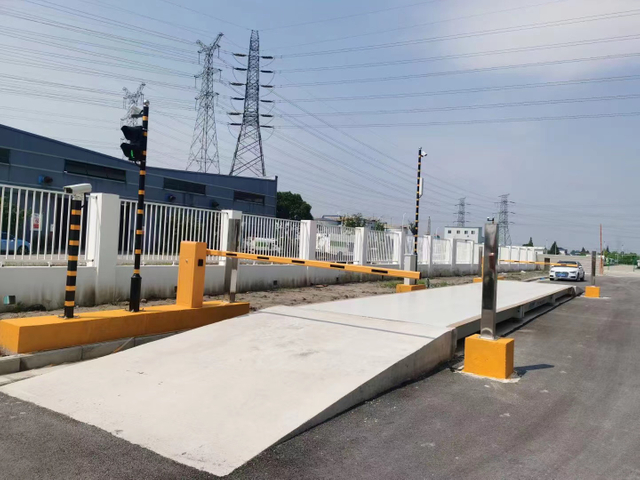
Imagine this: in front of your warehouse, a truck slowly pulls onto a scale. It comes to a complete stop, and the numbers on the display jump a few times before settling—this is a standard static weighing. Now picture the entrance to a smart logistics park: trucks pass over a special section of road at a steady, low speed, and their weight data is transmitted to the control center in real-time. This is dynamic weighing in action, all about efficiency. Then there are large, heavy-duty pads laid on the ground at a temporary construction site or checkpoint—vehicles drive over them for an instant weight reading. This is the flexible application of a portable truck scale.
For businesses in logistics, manufacturing, or trade, the choice between precision and efficiency in weighing operations is a constant challenge. When a logistics manager frets over shipment delays or a plant manager worries about discrepancies in raw material, the issue often traces back to the weighing equipment. This guide cuts through the complexity, providing a clear, data-driven comparison of static, dynamic, and portable truck scales to help you make the perfect choice for your operations.
1. Core Differences: The Fundamental Logic Behind the Three Types
The first step to choosing is understanding the foundational principles. Static, dynamic, and portable scalesare designed from the ground up for different core scenarios.
1.1 Static Truck Scales: The Pursuit of "Absolute Precision"
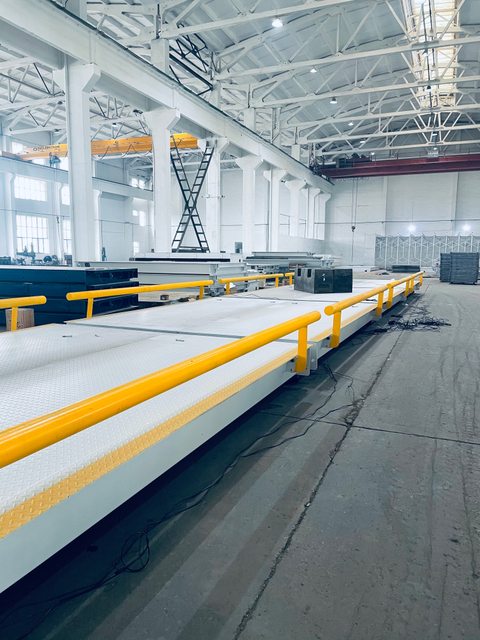
How They Work: The vehicle must come to a complete stop on the weighing platform. The system waits for readings to stabilize before capturing the final, certified weight data.
Core Philosophy: Precision is paramount. It prioritizes absolute data reliability, even if it means a longer measurement time per vehicle.
1.2 Dynamic / Weigh-in-Motion (WIM) Scales: Embracing the "Weigh-While-Rolling" Efficiency
How They Work: Vehicles are weighed while maintaining a low, constant speed (typically 3-10 km/h or 2-6 mph) as they pass over the sensors embedded in the road .
Core Philosophy: Efficiency first. It maximizes the throughput of the weighing process, accepting a slightly higher margin of error for vastly improved speed and traffic flow.
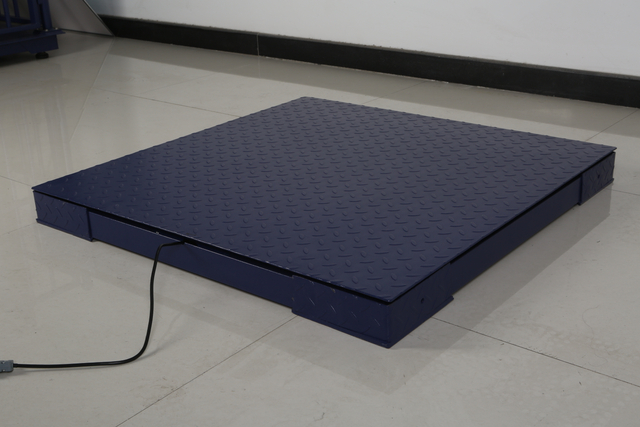
1.3 Portable Truck Scales: Prioritizing the "Deploy Anywhere" Flexibility
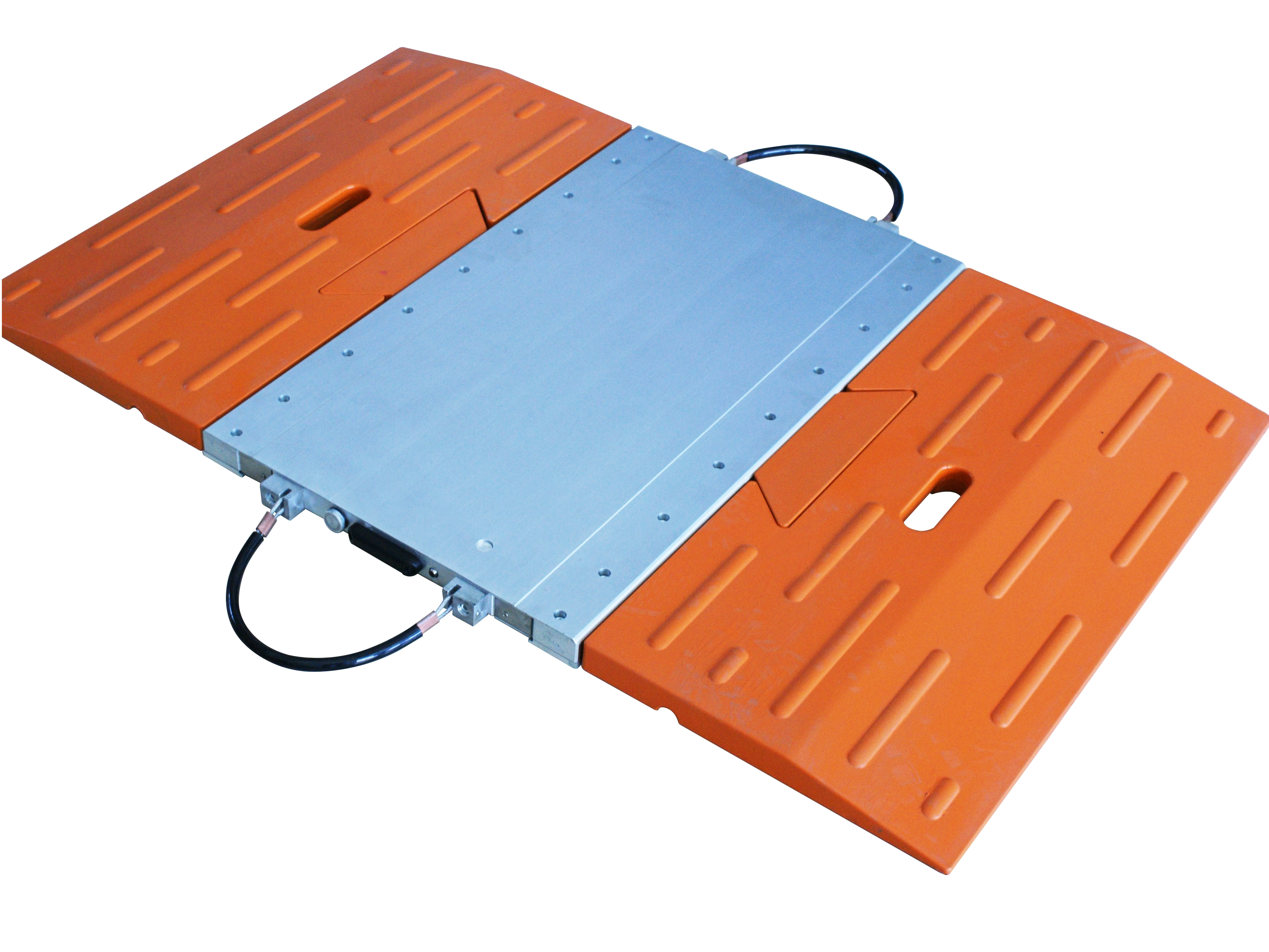
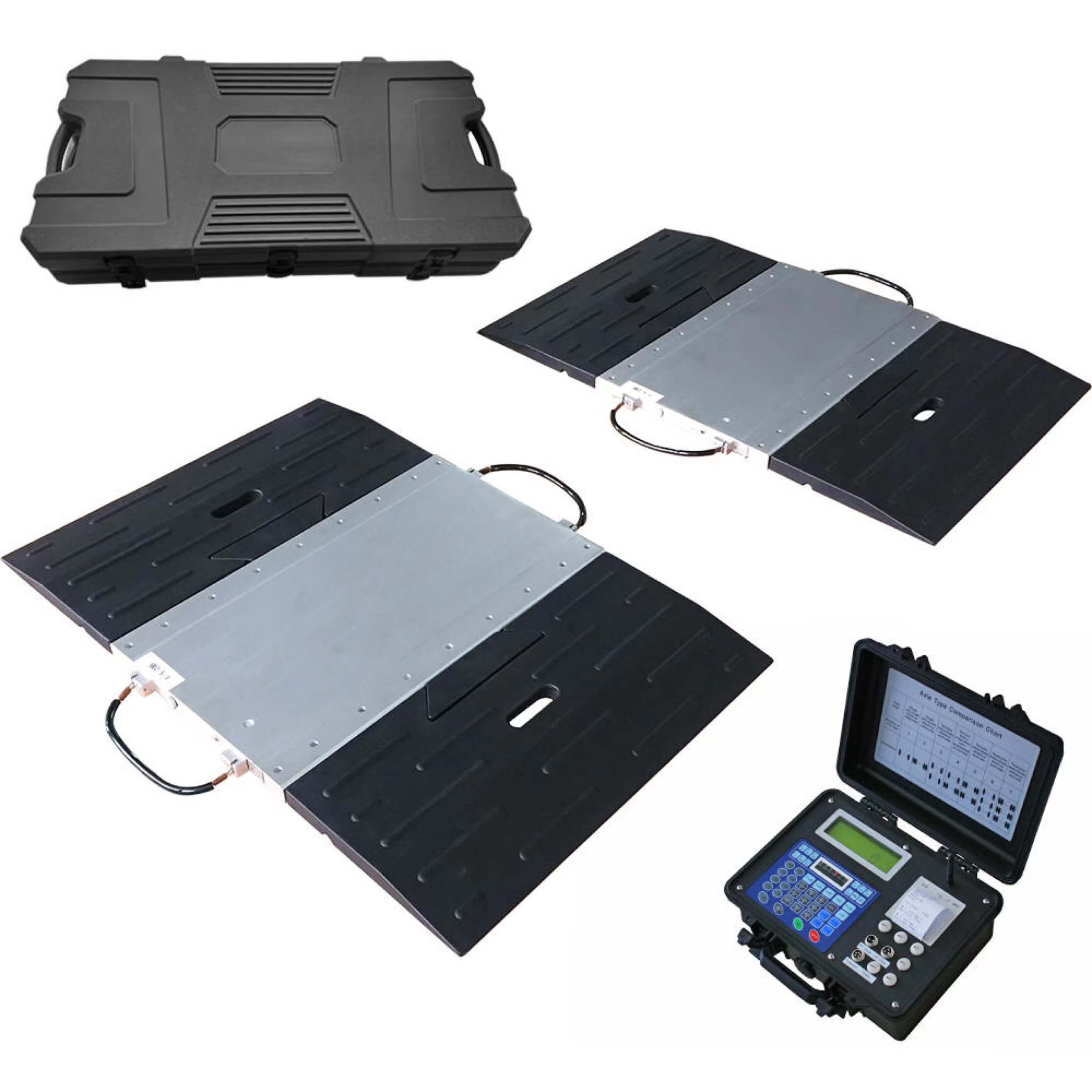
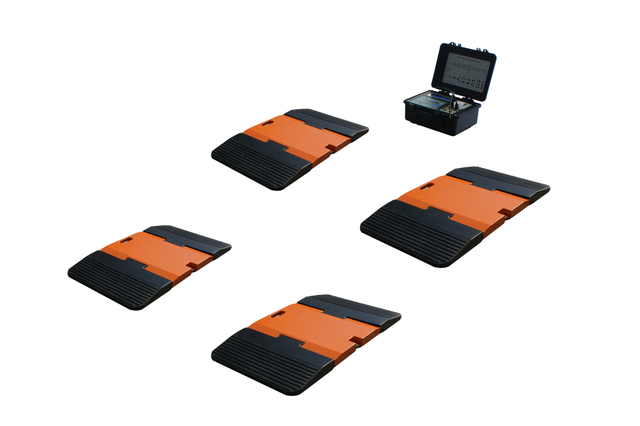
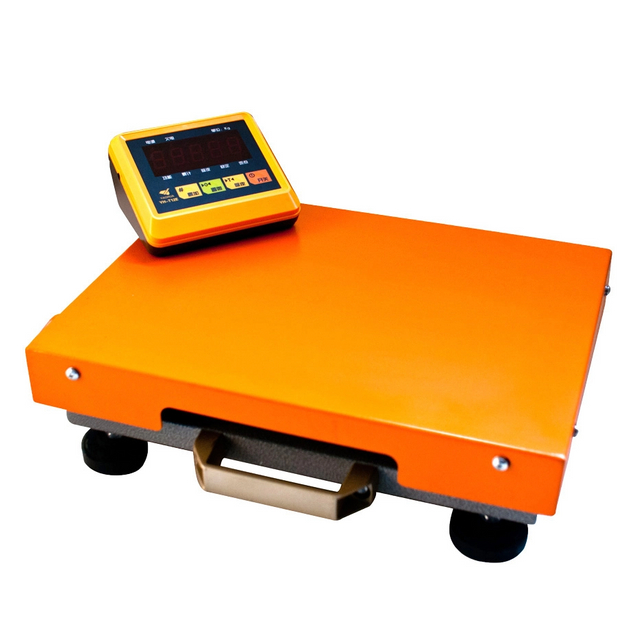
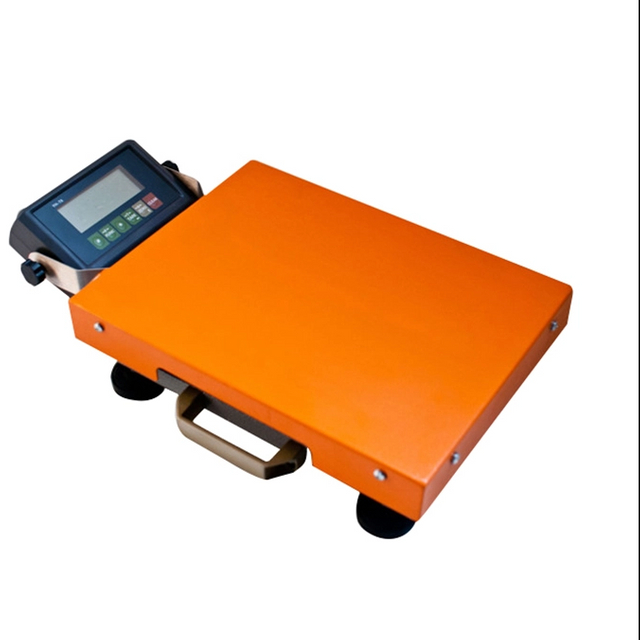
How They Work: Built with modular, heavy-duty pads, they can be rapidly deployed on hard, level surfaces like concrete, asphalt, or even compacted soil. Vehicles drive onto them for a weight reading.
Core Philosophy: Flexibility above all. They strike a balance between acceptable accuracy and efficiency to meet temporary, mobile, or multi-site weighing needs without permanent installation.
Simple Summary: Static scales are about being accurate, dynamic scales are about being fast, and portable scales are about being adaptable.
2. Deep Dive: Application and Market Status of the Three Types
2.1 Static Truck Scales: The "Gold Standard" for Trade and Law
Static scales hold an unshakable position in areas where precision is legally and financially non-negotiable.
2.1.1 Core Application Scenarios
Bulk Commodity Trade Settlement: Used for buying and selling coal, ore, grain, etc. The data they provide has legal force and is the direct basis for payment.
Internal Control and Inventory: Critical for precise measurement of raw material intake and finished goods dispatch, forming the foundation for cost control and inventory management.
Mandatory Legal Metrology: Required for official purposes like import/export inspection and tax calculation, where only certified static scales can be used.
2.1.2 Technological Evolution
The industry has largely moved from mechanical to fully electronic digital truck scales. Modern scales feature digital instrumentation, integrated management software that connects to ERP systems, and advanced anti-tampering features.
2.2 Dynamic (Weigh-in-Motion) Scales: The Logistics "Efficiency Accelerator"
The WIM market is growing steadily, fueled by the logistics industry's relentless drive for automation and efficiency .
2.2.1 Core Application Scenarios
High-Throughput Logistics & Sorting Centers: Placed at warehouse gates for non-stop weighing, seamlessly integrating with automated sorting systems.
Highway Overload Enforcement (Non-Stop): Permanently installed in roadways to automatically screen for overweight trucks, providing evidence for enforcement without disrupting traffic—a key tool for protecting infrastructure .
Continuous Process Weighing: Used in production facilities like waste management plants or concrete batch plants for continuous input measurement.
2.2.2 Market Data and Outlook
According to a QYResearch report :
Market Size: The global dynamic truck scale market was valued at approximately $39 million USD in 2024.
Growth Forecast: It is projected to reach $52 million USD by 2031, growing at a Compound Annual Growth Rate (CAGR) of 4.8% from 2025-2031.
Key Drivers: Growth is propelled by global logistics automation, stricter government enforcement of overload regulations, and integration into Intelligent Transportation Systems (ITS) .
2.3 Portable Truck Scales: The Flexible "Multi-Tool"
Portable scales fill the gap where fixed installations are impossible or impractical, with their flexibility being a major advantage.
2.3.1 Core Application Scenarios
Temporary or Seasonal Operations: Agricultural harvest weighing, construction site material acceptance, temporary checkpoints.
Mobile Enforcement & Surprise Inspections: Used by transportation authorities for random weight checks and by regulatory bodies for market inspections.
2.3.2 Technical Features and Specifications
Modern portable scales are engineered for durability and ease of use. They are typically constructed from high-strength steel or aluminum alloy, are modular for transport, and come with battery-powered consoles for true portability. Product specifications for these scales often include details like static weighing accuracy of +/-0.3%, battery life for the console of up to 40 hours, and an IP65 waterproof rating for the pads .
3. Comparison & Selection: Finding the Right Fit for Your Operation
The table below provides a clear, side-by-side comparison of the key characteristics of all three types of truck scales.
Comparison Dimension
Static Truck Scale
Dynamic (WIM) Scale
Portable Truck Scale
Core Advantage
Supreme Accuracy (up to Legal-for-Trade Grade)
Maximum Efficiency, Uninterrupted Traffic Flow
Rapid Deployment, Lower Initial Investment
Primary Limitation
Slow Speed, Requires Pit/Foundation, Large Footprint
Lower Relative Accuracy (Typ. ±0.1-0.5%)
Long-term stability less than fixed scales, requires manual handling
Efficiency Priority → Choose a Dynamic (WIM) Scale.
3.2 The Hybrid Model: Getting the Best of Both Worlds
In modern ports, logistics hubs, and large industrial facilities, an advanced "Dynamic + Static" hybrid model is becoming the standard for optimal operations:
Dynamic Scale as the "Pre-Screener": Installed at the entrance, it performs high-speed, preliminary weight screening on all vehicles, quickly flagging any suspected of being overloaded.
Static Scale as the "Final Judge": Located inside the facility, it provides the precise, legally-binding verification for any vehicle flagged by the dynamic scale, ensuring definitive data for final.
This model ensures smooth entry flow while guaranteeing absolute accuracy where it counts most.
4. Future Outlook: The Rise of Smart, Integrated Systems
The evolution of truck scales goes far beyond simple weighing. They are becoming intelligent data nodes within broader digital ecosystems.
IoT Connectivity: Modern scales transmit data in real-time to the cloud, allowing for remote monitoring and management from any device.
AI & Vision Systems: Integrated with license plate and vehicle identification cameras, they automate data capture ("truck, plate, weight"), eliminating manual entry errors and fraud.
Blockchain for Data Integrity: For trade data, weights can be instantly recorded on a blockchain, creating an immutable, trusted record for all parties.
Conclusion
Choosing a truck scale is, at its heart, choosing the right "data gatekeeper" for your business. A static truck scale is your meticulous auditor, ensuring every transaction is precise. A dynamic truck scale is your efficient traffic commander, keeping data and vehicles moving. A portable truck scale is your agile special forces unit, ready to deploy wherever needed.
There is no single "best" product, only the best fit for your specific needs. Use the insights and the decision framework in this guide to find the tool that will not only measure your loads accurately but also weigh heavily in favor of your operational efficiency and bottom line. The next time you face this choice, simply ask yourself: What does my business need most right now—precision, efficiency, or flexibility? The answer will point you in the right direction.
Hener weighing is a leader in the design and development of technology for the weighing industry. Our company has been manufacturing electronic weighing systems for more than 20 years.
 English
 العربية
 Français
 Русский
 Español
 Português
 Deutsch
 italiano
 Nederlands
 Tiếng Việt
 ไทย
ไทย Polski
 Türkçe
 ភាសាខ្មែរ
 Bahasa Melayu
 Filipino
 Bahasa Indonesia
 Română
 Čeština
 Монгол
 қазақ
қазақ Српски
 हिन्दी
 Slovenčina
 Slovenščina
 Norsk
Norsk Svenska
 Ελληνικά
 Suomi
Suomi Հայերեն
 Latine
 Dansk
Dansk Shqip
Shqip Hrvatski
 Afrikaans
 Gaeilge
 Eesti keel
 Oʻzbekcha
 latviešu
 Azərbaycan dili
 Беларуская мова
 Български
 ქართული
 guarani
 Кыргызча
 Lietuvių
 Македонски
 Malti
Malti Soomaali
 Тоҷикӣ
 Türkmençe