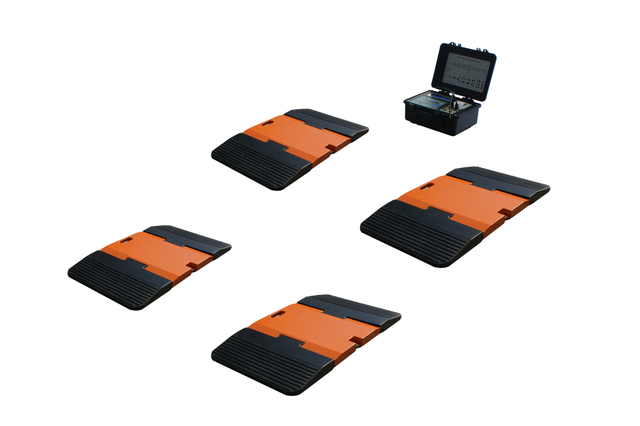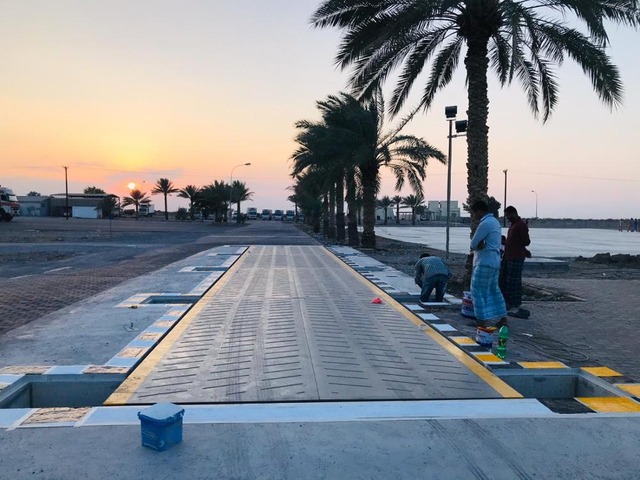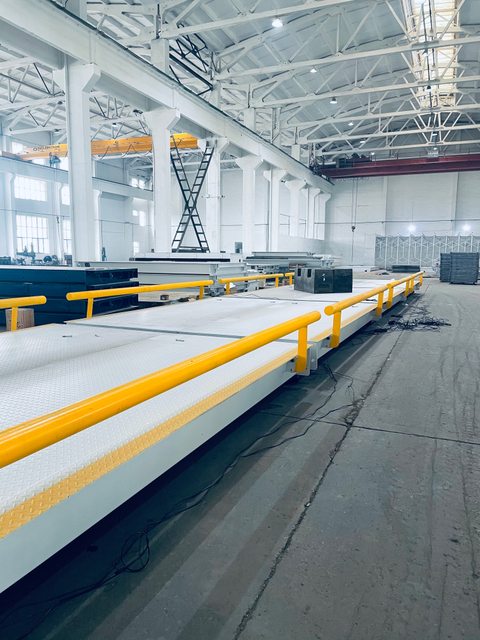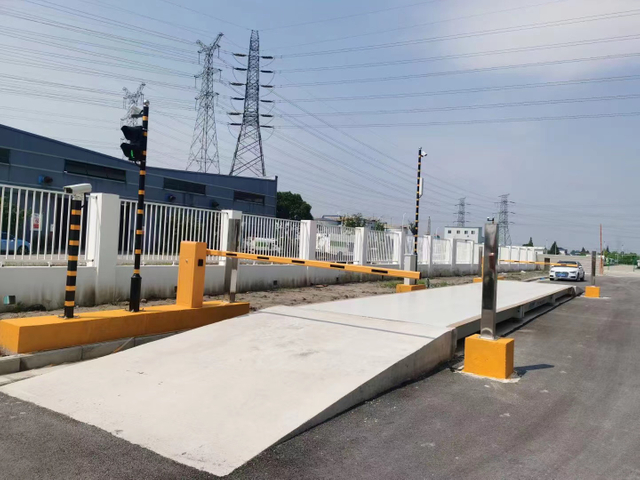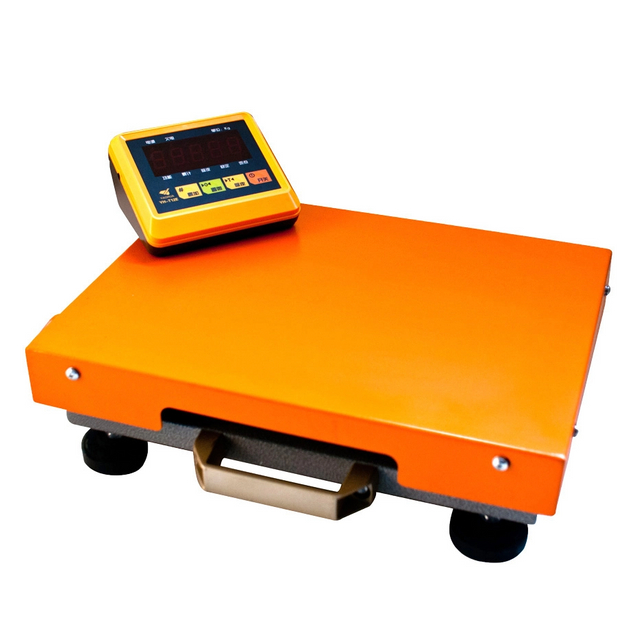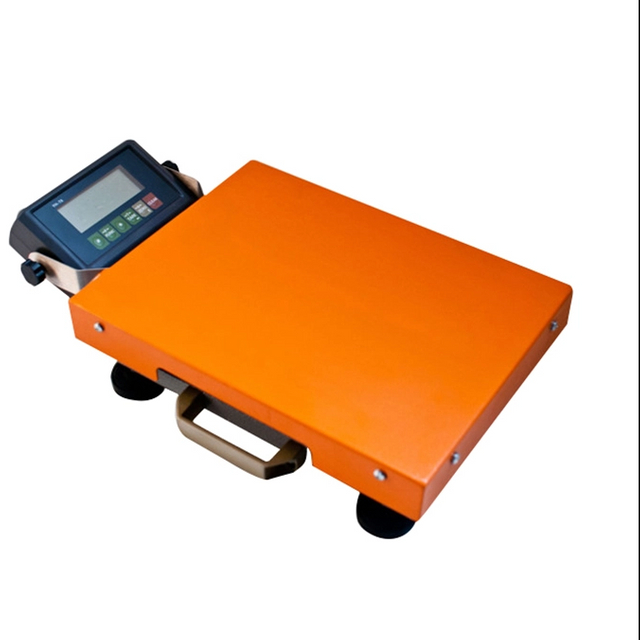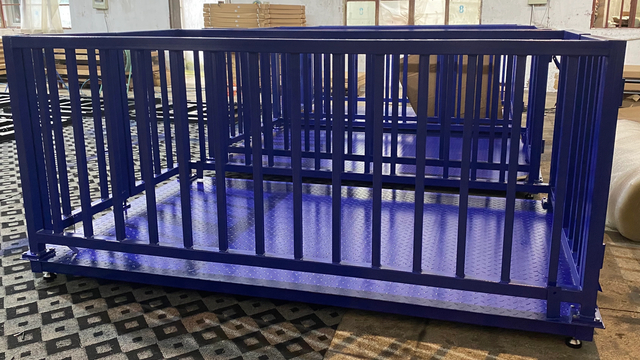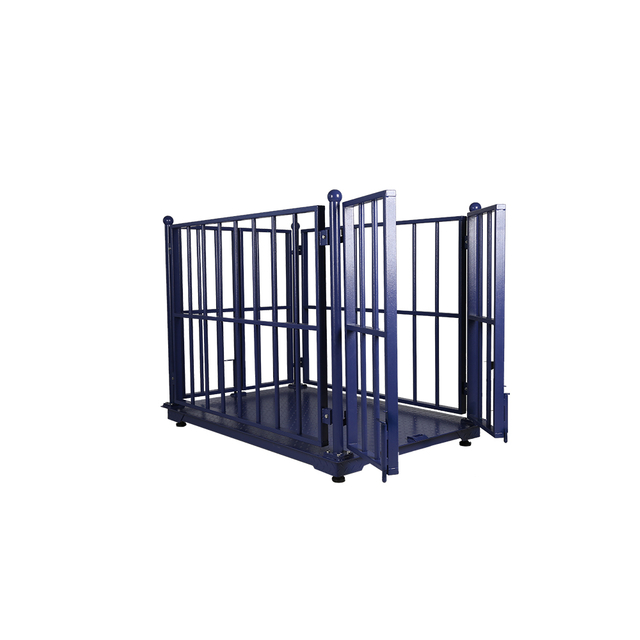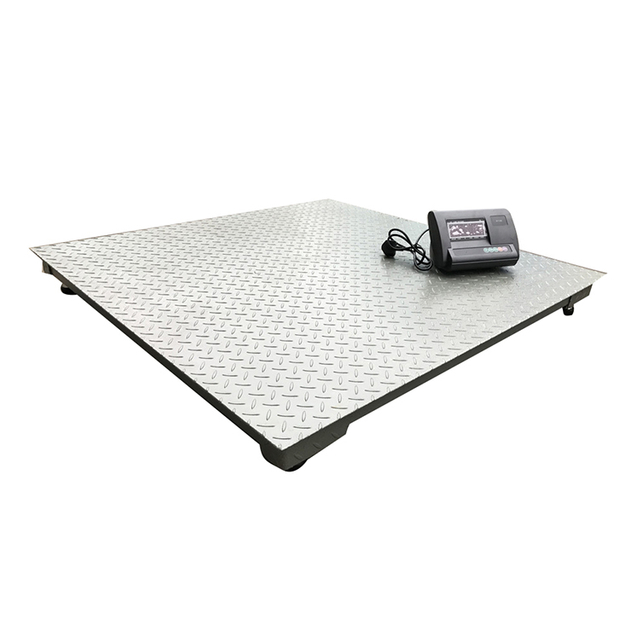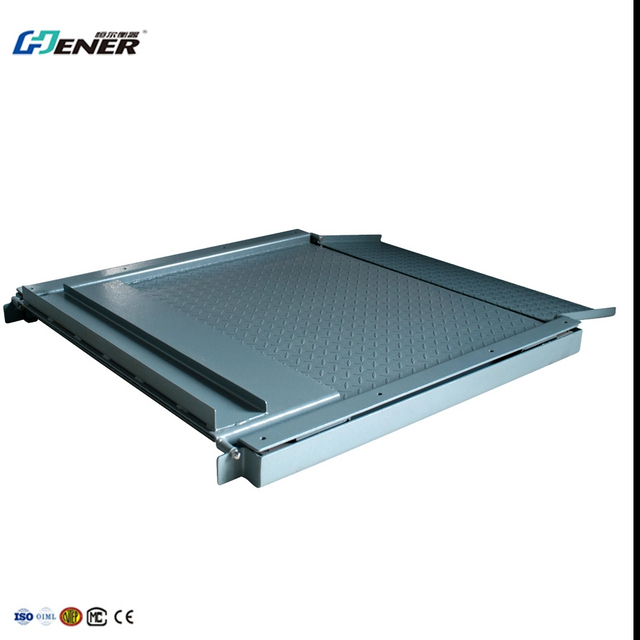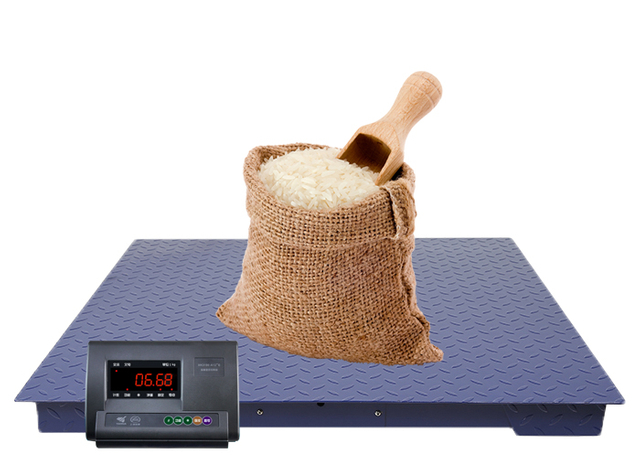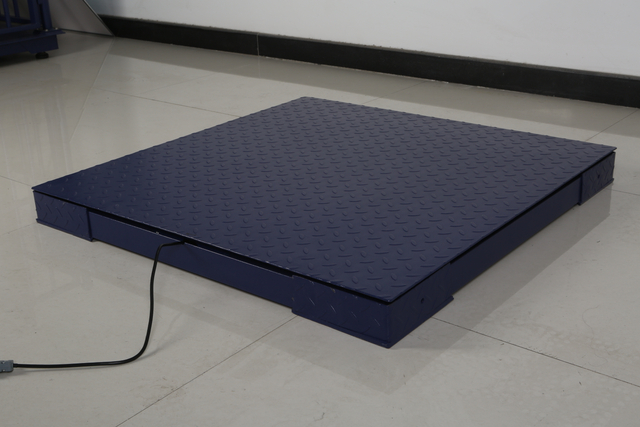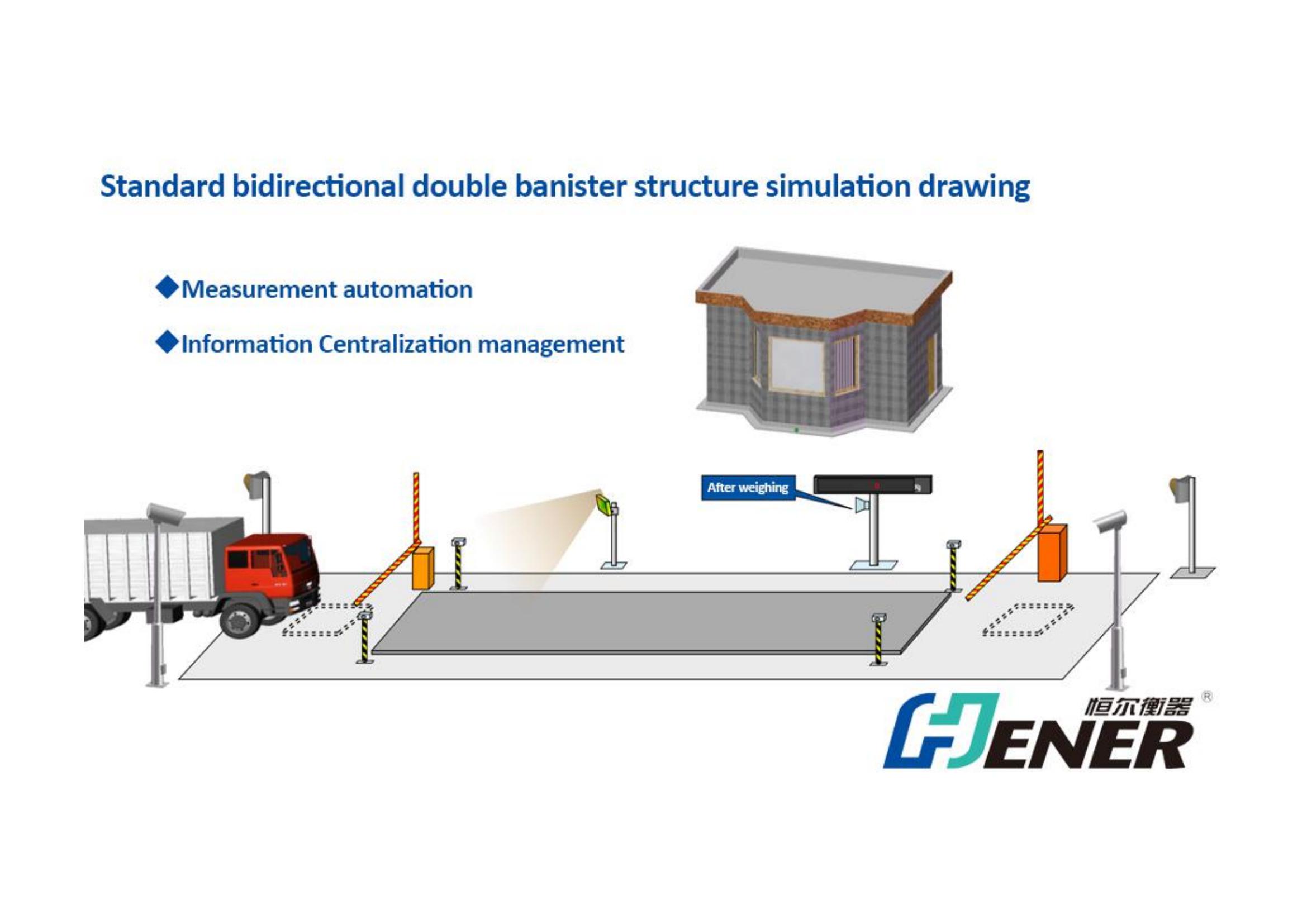
Ever stood in a busy logistics yard and watched a truck idle while waiting for a weigh-in? Chances are, that delay isn't just costing time—it's tied to the hidden expenses of digital truck scales. For fleet managers and small carriers alike, these scales are non-negotiable: they keep operations compliant, prevent costly fines, and ensure accurate freight billing. But here's the catch: a single high-end digital truck scale can cost upwards of $50,000, with annual maintenance adding another $5,000 to $10,000. That's a heavy lift for businesses already squeezed by fuel prices and labor shortages.
The good news? The EU and US have cracked the code on taming these costs—just in different ways. The EU leans on top-down policies and unified standards to eliminate waste, while the US bets on bottom-up market drives and state-level flexibility. Let's dive into how both regions are turning “too expensive” into “worth the investment.”
1. The High-Cost Dilemma of Digital Truck Scales: What's Really Hurting Businesses?
1.1 Why Digital Truck Scales Are a Necessary Expense
First, let's get one thing straight: ditching digital scales for old analog models isn't a solution. Digital scales do more than just weigh trucks—they're the brain of modern logistics. They automatically log data, sync with fleet management software, and even integrate with toll systems for seamless compliance. For example, in the EU, any scale used for trade or enforcement must meet strict accuracy standards; analog scales can't keep up with that precision, leading to costly fines.
In the US, the Federal Motor Carrier Safety Administration (FMCSA) relies on digital scale data to crack down on, which damages roads and increases accident risks. A single violation can cost a carrier up to $16,000—way more than the annual maintenance of a digital scale. So, scales aren't a luxury; they're a shield against bigger losses.
1.2 Breaking Down the Cost Barriers
If scales are so important, why do they hurt so much for the budget? Let's break down the costs:
Equipment: High-precision sensors (the heart of digital scales) drive up the price. A top-tier scale from brands like Germany's SICK can hit $70,000, while even mid-range models from Chinese manufacturers cost $20,000–$40,000.
Installation: Pouring a reinforced concrete foundation and calibrating the system can add another $10,000–$15,000.
Maintenance: Sensors need monthly calibration, software requires annual updates, and harsh weather (think salt on US highways or rain in EU ports) wears down components. A self-service weighing system costs 5x more to maintain annually than manual setups.
Compliance: Meeting regional standards—like the EU's MID directive or US state-specific certifications—means paying for testing and audits.
It's no wonder small carriers often delay upgrades. But the EU and US have found workarounds, and they're worth stealing.
2. EU's Strategy: Policy-Driven, Standard-Unified Cost Reduction
2.1 MID 2014/31/EU: Cutting Compliance Costs with Unified Certification
Imagine if every EU country had its own scale standards—manufacturers would have to redesign products for France, Germany, and Spain separately, and carriers would face confusing audits. That was the problem before the EU's MID 2014/31/EU directive. Today, this rule acts as a “one-stop shop” for scale certification, slashing redundant costs for everyone.
The MID directive sets uniform requirements for accuracy, safety, and data security across all EU member states. Any scale with a CE mark and “M”标识 (for metrology) is valid everywhere in the bloc. This means manufacturers don't have to run separate tests for each country, cutting their R&D costs by 30% or more.
2.1.1 Modular Certification: A Game-Changer for Small Manufacturers
The MID's real magic is its modular certification system. Instead of certifying an entire scale at once (a costly, time-consuming process), manufacturers can certify components separately. For example, a sensor maker can get their part certified once, then sell it to multiple scale brands.
Smaller manufacturers love this—they don't have to shoulder the full cost of certification. Take a Polish scale maker I spoke with last year: they used pre-certified sensors from Germany's HBM, cut their certification costs by 40%, and passed those savings to customers. The result? Their scales now cost 25% less than competitors without sacrificing quality.
2.2 Horizon Europe Funding: Fueling Innovation for Affordable Scales
The EU doesn't just set rules—it pays for better solutions. Through its Horizon Europe program, the bloc has poured €15.6 billion into clean and smart transport technologies, and digital truck scales are a big winner.
One funded project is developing solar-powered scales for remote EU highways. Traditional scales need expensive electrical hookups, but these new models run on solar panels and store energy in batteries. Early tests show they cut installation costs by 20% and eliminate monthly electricity bills. Another project is using AI to reduce calibration needs—instead of monthly checks, the software self-calibrates, slashing maintenance costs by 35%.
For small businesses, this funding translates to cheaper, better scales. EU-based carriers can apply for grants to cover 50% of a new scale's cost if it meets green or smart criteria. That's a huge incentive to upgrade.
2.3 Case Study: Austrian HHB Scales – Efficiency Lowers Long-Term Costs
Sometimes, the best way to cut costs is to make scales work harder. Austrian company HHB Batsch GmbH did just that with its HHB01 and HHB02 dynamic scales. These scales weigh trucks while they're moving (5–30 km/h for the HHB01, 2–12 km/h for the HHB02), eliminating the need for trucks to stop and idle.
Think about what that means for a busy logistics hub: fewer delays, more trucks processed per hour, and no lost productivity. Installed at Austria's A5 highway Asfinag station, these scales have run reliably for years and were even nominated for a national traffic award.
The cost savings add up fast. A single HHB scale costs around €45,000—similar to a static model—but the station estimates it saves €12,000 annually in reduced congestion and labor costs. That's a 3.75-year ROI, which is well below the industry average of 5 years.
3. US Approach: Market-Led, State-Flexible Cost Optimization
3.1 State-Level Tax Incentives: Reducing Upfront Investment
The US federal government takes a hands-off approach, but states are stepping up with juicy tax breaks to cut scale costs. Why? Because efficient scales mean smoother traffic, fewer road repairs (from), and more tax revenue from logistics businesses.
Oregon is a leader here. The state offers property tax breaks worth millions to companies that install digital scales in logistics hubs. Amazon recently got $10 billion in tax incentives to build data centers (and related logistics infrastructure, including scales) in the state. Maryland and North Carolina go further—they exempt scale equipment from sales and use taxes, cutting upfront costs by 6–7%.
For a small carrier in North Carolina buying a $50,000 scale, that's a $3,500 savings—enough to cover the first year's maintenance. It's no surprise that these states have seen a 22% jump in digital scale installations since 2023.
3.2 FHWA Grants: Public-Private Partnerships for Scales
When states need help funding large-scale projects, the federal government's Federal Highway Administration (FHWA) steps in with grants. One standout example is the HELP program, which created a shared database for state scale data. The project's $1.2 million budget was covered by $770,000 in FHWA funds, with states splitting the rest.
Why does this matter for cost? Before HELP, each state ran its own scale data system—duplicating costs and making it hard for carriers to comply across state lines. Now, a carrier can submit scale data once and have it recognized in multiple states, cutting administrative costs by 40%.
FHWA also funds “weigh-in-motion” (WIM) scale projects on interstate highways. These scales work like Austria's HHB models, weighing trucks at speed. A recent project in Texas installed 10 WIM scales with $2 million in FHWA grants—saving the state $3 million in road repair costs annually from reduced.
3.3 Tech Innovation: Zemic's Load Cells Slash Maintenance Costs
US companies are solving cost problems with better technology, and Zemic (a leading sensor maker) is a prime example. Their shear beam load cells have a precision of 0.02% FS—meaning they're accurate even after years of use. Unlike cheaper sensors that need monthly calibration, Zemic's can go 3 months between checks, cutting maintenance time by 66%.
But the real innovation is in durability. Zemic's load cells are sealed to IP68 standards, meaning they're waterproof and dustproof. In Florida, where saltwater air corrodes equipment, a logistics company reported that Zemic-equipped scales lasted 7 years—double the lifespan of cheaper models. That's a huge savings: instead of replacing a scale every 3–4 years, they're replacing it every 7, cutting long-term costs by 50%.
3.3.1 Pay-as-You-Go Maintenance: A New Model for Small Carriers
US companies are also rethinking how maintenance is paid for. Instead of charging a flat annual fee, many now offer “pay-as-you-go” plans. For example, a carrier might pay $150 per calibration instead of $3,000 annually.
This is a game-changer for small businesses with tight cash flow. A New Mexico-based carrier I interviewed switched to this model and cut their maintenance costs by 30%—they only pay when they need service, not for unused checkups. Some providers even offer subscription plans that include software updates and emergency repairs for a monthly fee, turning unpredictable costs into manageable ones.
4. EU vs. US: Key Takeaways for Global Logistics Businesses
4.1 When to Adopt the EU's Policy-First Model
The EU's approach works best if you're in a region with fragmented standards or a strong central government. If your country (or bloc) has multiple certification bodies, pushing for unified standards will eliminate redundant costs. Small manufacturers should leverage modular certification—partner with pre-certified component suppliers to cut R&D expenses.
For businesses focused on sustainability, the EU's green grants are a blueprint. Tie your scale upgrades to carbon reduction (e.g., solar-powered scales) to qualify for funding. This isn't just about cost—it's about future-proofing your business as regulations get stricter.
4.2 When to Lean Into the US's Market-Driven Approach
The US model shines in regions with a strong private sector and flexible local policies. If you're a carrier, look for state or local tax incentives—they can make upfront costs manageable. Small businesses should explore pay-as-you-go maintenance to avoid cash flow shocks.
Manufacturers should focus on durability and precision, like Zemic. Customers will pay a premium for load cells that last longer and need less service—just make sure you highlight those cost savings in your marketing. Public-private partnerships are another win: team up with local governments to fund WIM scale projects, splitting costs and reaping the benefits of faster traffic.
5. Future Trends: Lower Costs on the Horizon
The future of digital truck scales is cheaper, smarter, and more connected—and both the EU and US are leading the charge.
In the EU, quantum sensing technology is being tested to boost precision to 0.01% FS. This means scales will need even fewer calibrations, cutting maintenance costs further. The bloc is also pushing for “scale-as-a-service” models, where carriers pay a monthly fee for a scale (including installation and maintenance) instead of buying one outright.
In the US, AI and machine learning will make scales more efficient. Imagine a scale that predicts when a sensor will fail and sends a technician before it breaks—eliminating costly downtime. Modular scales are also on the rise: these can be assembled in hours (instead of days) and reconfigured for different truck sizes, cutting installation costs by 20%.
Globally, the rise of electric and autonomous trucks will drive demand for integrated scales—scales that sync with a truck's battery system or self-driving software. This integration will eliminate redundant hardware, making scales more affordable over time.
One thing's clear: high costs don't have to be a barrier to better scales. Whether you follow the EU's policy-driven path or the US's market-led approach, the key is to focus on long-term savings—not just upfront prices. A good scale isn't an expense—it's an investment that pays for itself in compliance, efficiency, and peace of mind.
Conclusion
Digital truck scales are the unsung heroes of modern logistics, but their high costs have long been a headache. The EU and US have shown that with the right mix of policies, incentives, and innovation, these costs can be tamed. The EU's unified standards and green grants eliminate waste and fund better solutions, while the US's state tax breaks and pay-as-you-go models put flexibility first.
For logistics businesses everywhere, the takeaway is simple: don't let sticker shock stop you from upgrading. Look for grants, tax incentives, or flexible payment plans. Invest in durable, efficient technology that cuts long-term costs. And remember—every dollar spent on a good scale is a dollar saved on fines, delays, and repairs.
The road ahead for digital truck scales is bright—and affordable. Are you ready to jump on board?
 English
 العربية
 Français
 Русский
 Español
 Português
 Deutsch
 italiano
 Nederlands
 Tiếng Việt
 ไทย
ไทย Polski
 Türkçe
 ភាសាខ្មែរ
 Bahasa Melayu
 Filipino
 Bahasa Indonesia
 Română
 Čeština
 Монгол
 қазақ
қазақ Српски
 हिन्दी
 Slovenčina
 Slovenščina
 Norsk
Norsk Svenska
 Ελληνικά
 Suomi
Suomi Հայերեն
 Latine
 Dansk
Dansk Shqip
Shqip Hrvatski
 Afrikaans
 Gaeilge
 Eesti keel
 Oʻzbekcha
 latviešu
 Azərbaycan dili
 Беларуская мова
 Български
 ქართული
 guarani
 Кыргызча
 Lietuvių
 Македонски
 Malti
Malti Soomaali
 Тоҷикӣ
 Türkmençe