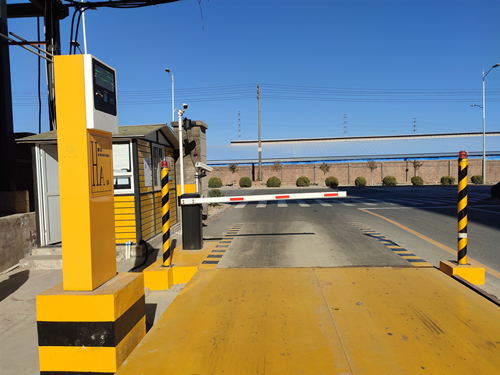
Let's be honest, when you think about the flashy, cutting-edge technology transforming industries, a giant metal platform on a concrete pad isn't the first thing that springs to mind, is it? We're more likely to picture robots, AI, or self-driving cars. But what if I told you that one of the most impactful upgrades happening in logistics, waste management, mining, and agriculture revolves around a humble piece of equipment you've probably seen a thousand times: the truck scale.
And we're not just talking about any truck scale. We're talking about its smarter, faster, and more efficient evolution—the unattended truck scale. But to understand why this evolution is such a game-changer, we first need to answer a more fundamental question.
The Unsung Hero: What Exactly is a Truck Scale, Anyway?
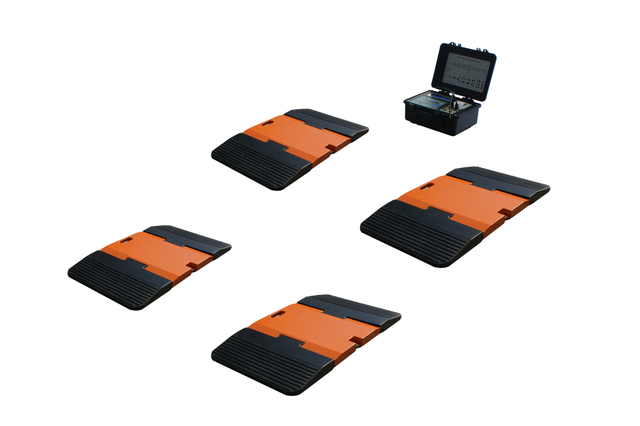
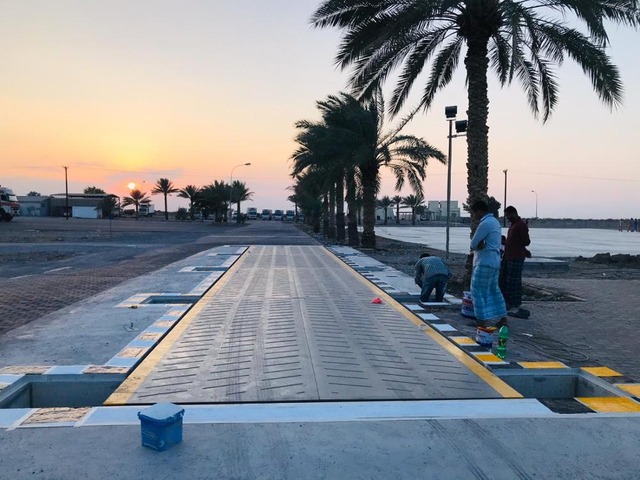
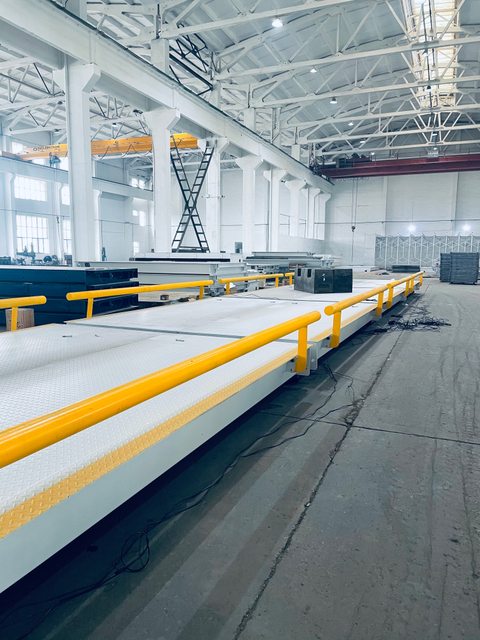
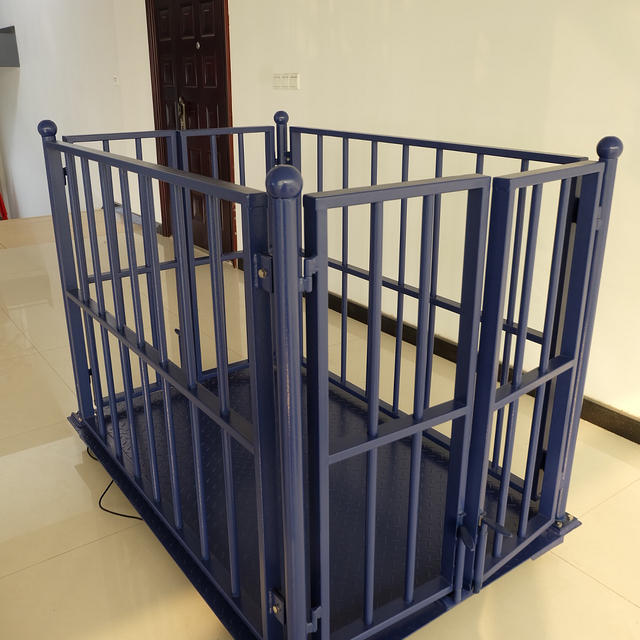
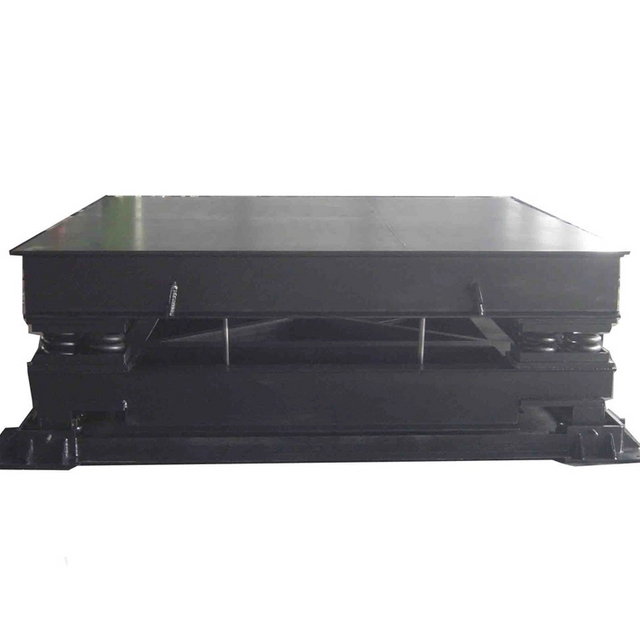
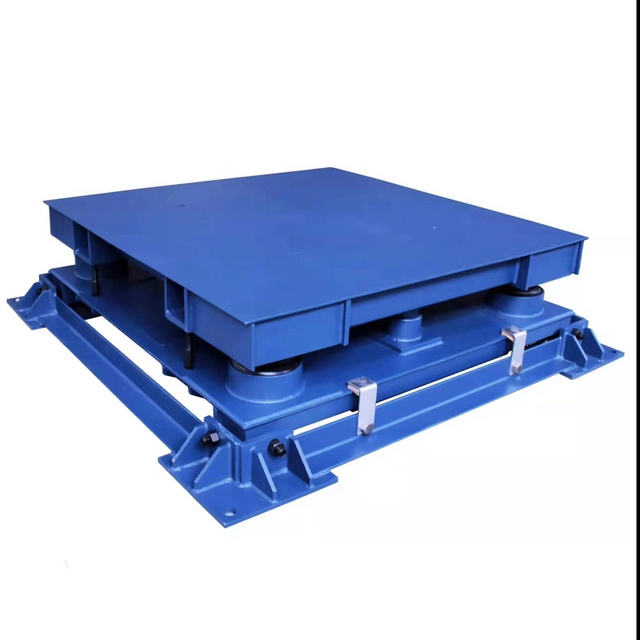
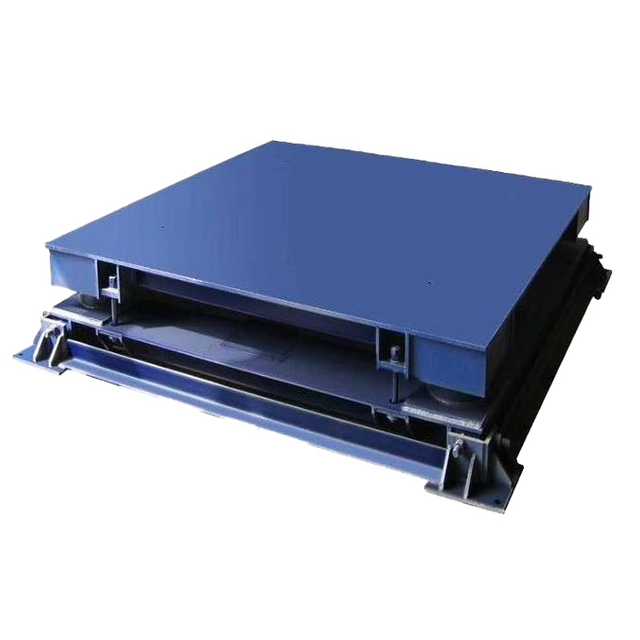
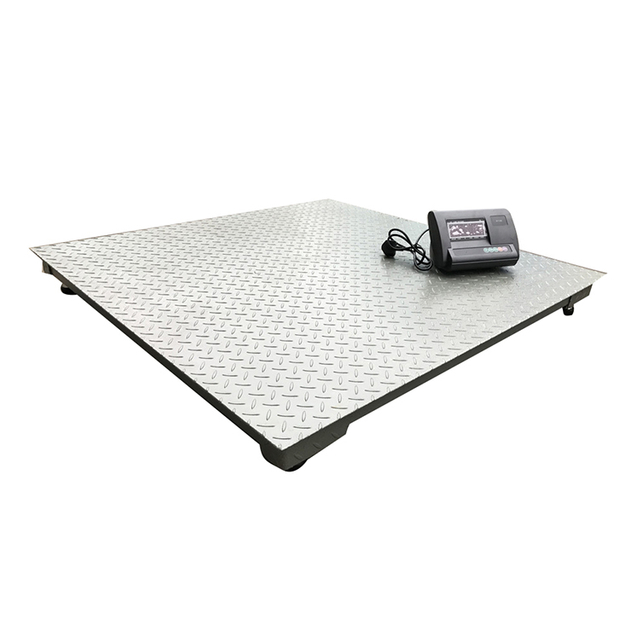
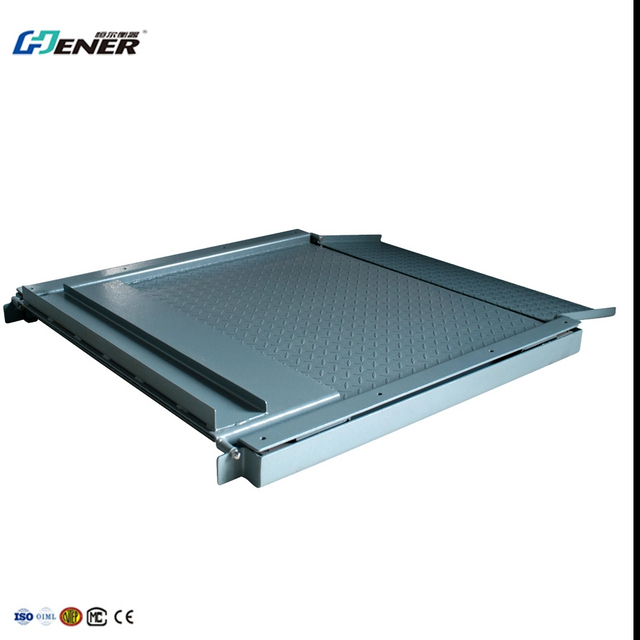
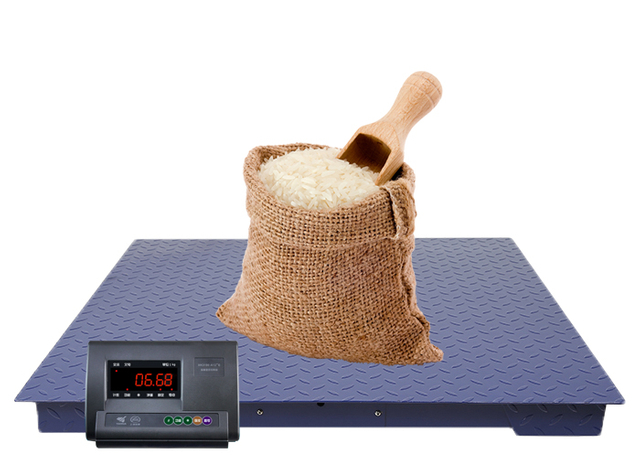
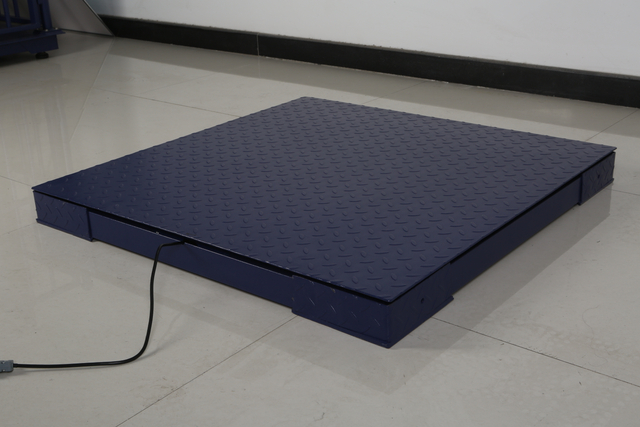
In its simplest form, a truck scale (or weighbridge) is a large set of scales, usually sunk into the ground, used to weigh entire vehicles and their contents. Think of it as a massive bathroom scale for industrial giants. But reducing it to just a measuring device is like calling the internet a fancy telephone book. It misses the immense strategic role it plays.
From Ancient Grain to Modern Freight: A Brief History of Weighing
The need for fair and accurate weighing is as old as commerce itself. Ancient civilizations used balance scales for grain and goods. The industrial revolution and the rise of rail and road freight demanded something bigger, leading to the mechanical lever-and-fulcrum truck scales of the early 20th century. Today, we use incredibly precise electronic scales with load cells that convert force into digital data. This journey from simple balance to digital data hub highlights one thing: accurate weighing has always been the bedrock of trust in trade.
Why is the Truck Scale So Critically Important?
So, why does this "massive bathroom scale" deserve so much attention? Its importance is multi-layered, touching on legality, safety, finance, and core operations. Let's break it down.
The Cornerstone of Legal Compliance and Fair Trade
This is non-negotiable. Roads and bridges have strict weight limits to prevent catastrophic damage and ensure public safety. Overloaded trucks are dangerous missiles, causing accelerated road wear and increasing the risk of accidents. Truck scales are the enforcement point. They ensure every load complies with federal and state bridge laws (like the Federal Bridge Gross Weight Formula in the US). Furthermore, in buying and selling by weight—be it a $50,000 load of grain or a $500,000 shipment of steel—the scale is the final arbitrator of value. It guarantees the seller gets paid for what they shipped and the buyer pays only for what they received. It's the foundation of fairness.
The Guardian of Safety and Infrastructure
Imagine a bridge designed to hold 40 tons constantly being hit by 50-ton vehicles. It's not a question of if it will fail, but when. Truck scales act as the first line of defense for our public infrastructure, protecting billions in taxpayer investments. For the carrier, ensuring a truck isn't overloaded also protects the vehicle's axles, suspension, and tires, preventing mechanical failures that could lead to roadside breakdowns or worse.
The Foundation of Financial Accuracy and Profitability
For many businesses, the weight captured on the truck scale is the single point where inventory becomes revenue or an expense is calculated. Inaccuracies here create a financial leak. Are you accidentally giving away product? Are you being overcharged for raw materials? The scale tells the truth. It's directly tied to your profit margins, invoicing, and payroll (if drivers are paid by the ton). An inaccurate scale is like having a leak in your company's bank vault.
The Essential Tool for Inventory Management and Control
Whether you're a grain elevator tracking bushels in and out, a landfill measuring waste volume, or a manufacturer managing raw materials, the truck scale is your most reliable inventory tool. It provides tangible, verifiable data for reconciling shipments, preventing shrinkage, and maintaining accurate stock levels. It turns physical movement into digital data for your ERP system.
The Bottleneck Problem: When the Important Becomes an Obstacle
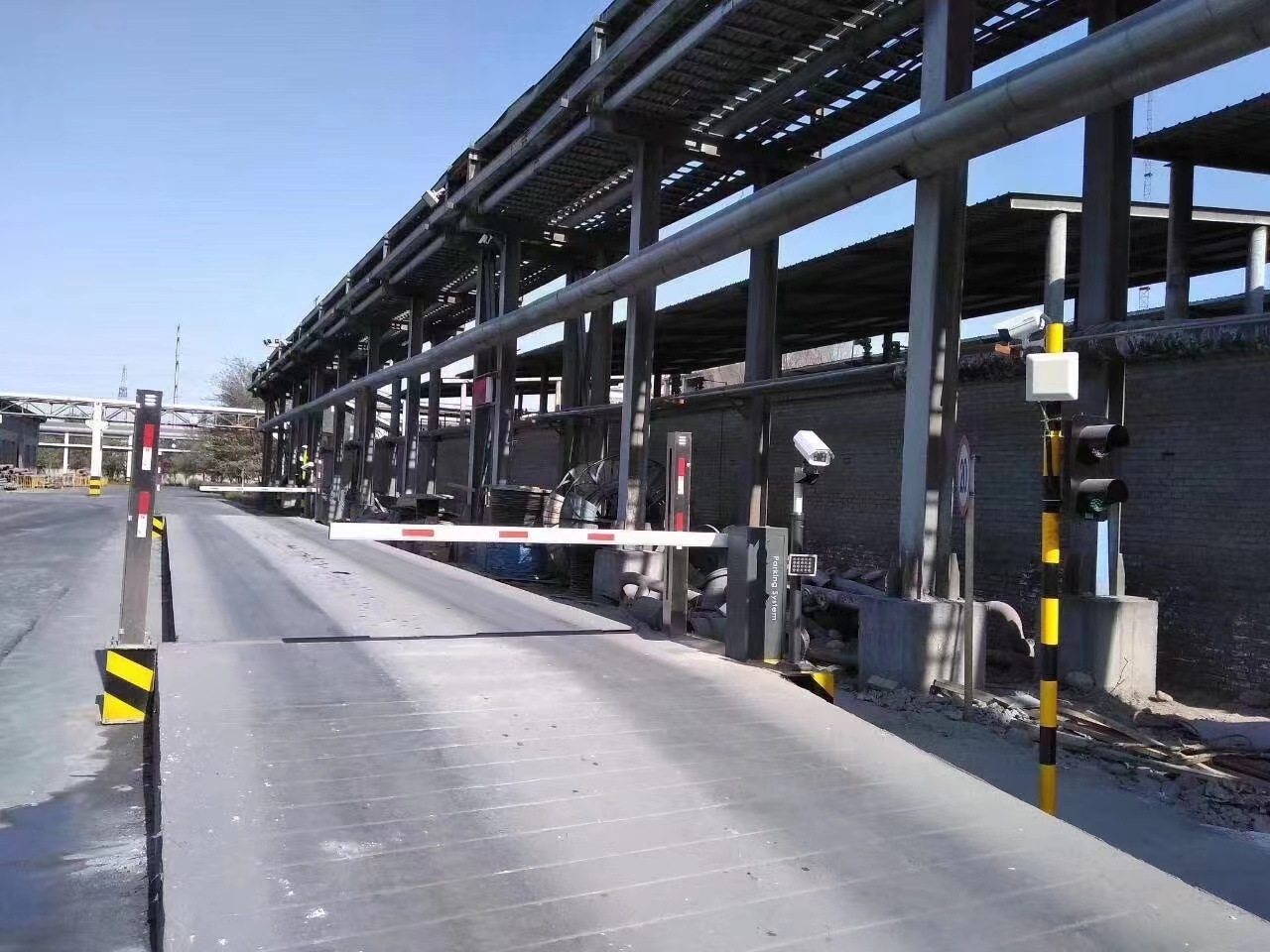
Here's the paradox. The truck scale is so vital that it often becomes the biggest bottleneck in a facility's operation. Traditional scales require a human scale operator to be present for every single weighing.
The High Cost of Waiting: Downtime and Driver Hours
Picture the scene: trucks lined up, engines idling, drivers waiting. Every minute spent in that line is a minute of lost productivity, wasted fuel, and growing frustration. For the driver, it's unpaid time. For your facility, it limits your throughput—you can only move as many trucks as your scale operator can process.
Human Error: The Invisible Tax on Your Operations
Even the best scale operator is human. Transposing numbers, misreading a ticket, entering data into the wrong field, or simply being distracted can lead to costly mistakes. These errors ripple out, causing billing disputes, inventory inaccuracies, and compliance headaches.
The Strain on Personnel and Limited Operational Hours
You're constrained by human shifts. What happens when a truck arrives at 3 AM, on a weekend, or during the operator's lunch break? They wait. You miss opportunities. Furthermore, the repetitive nature of scale operation can lead to high turnover, leaving you constantly training new staff.
Enter the Unattended Truck Scale: The 24/7 Automated Solution
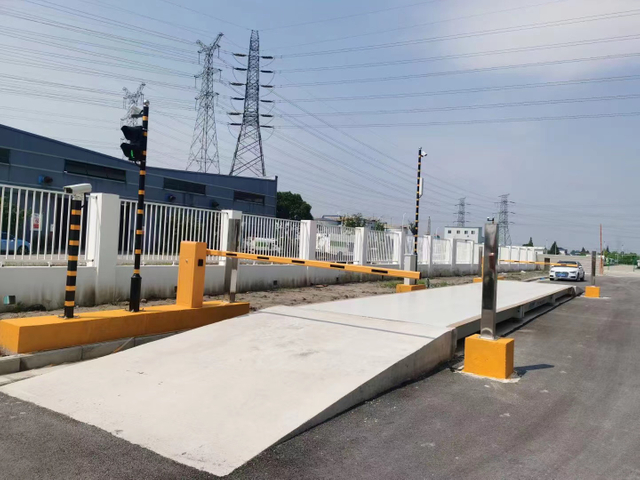
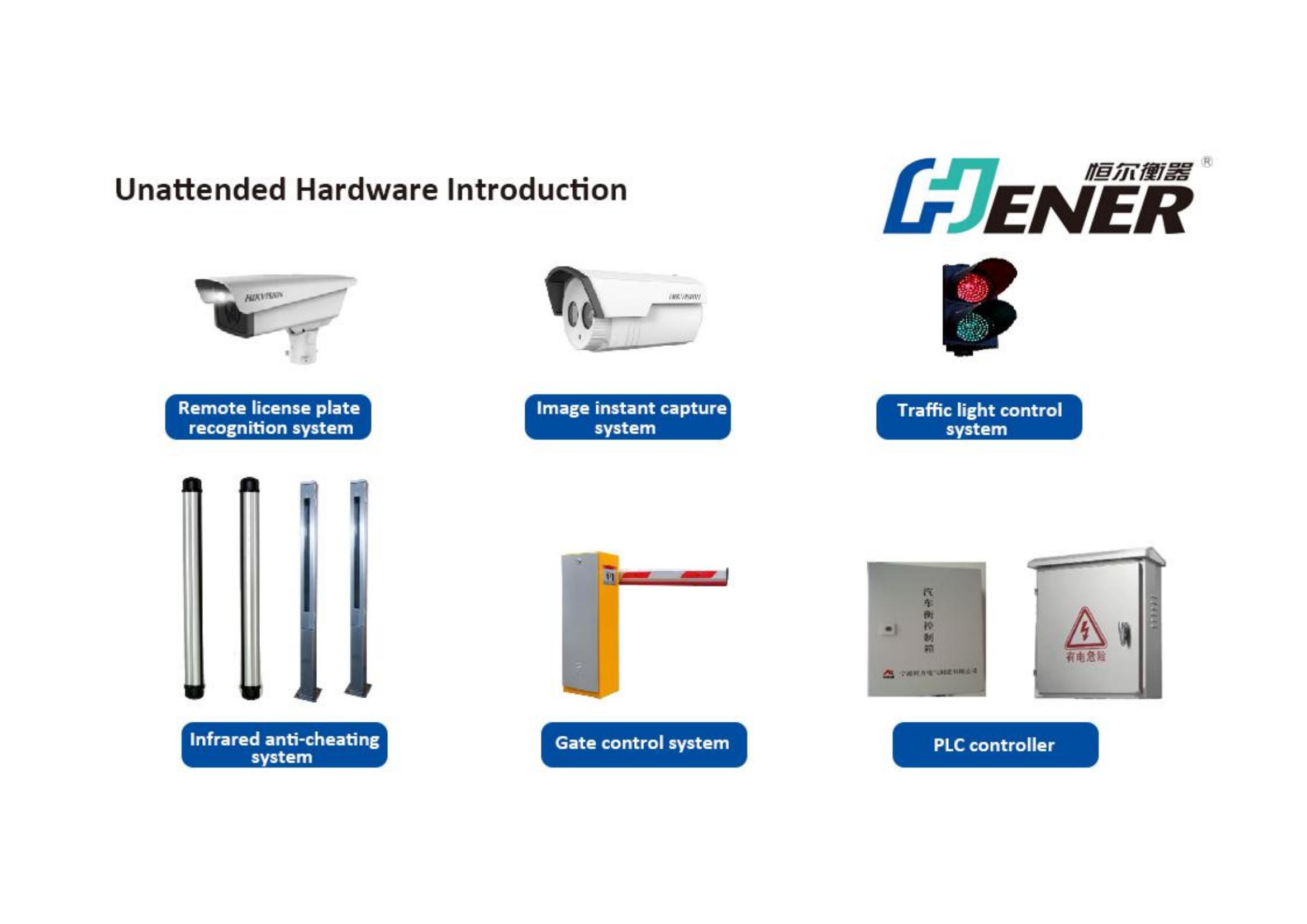
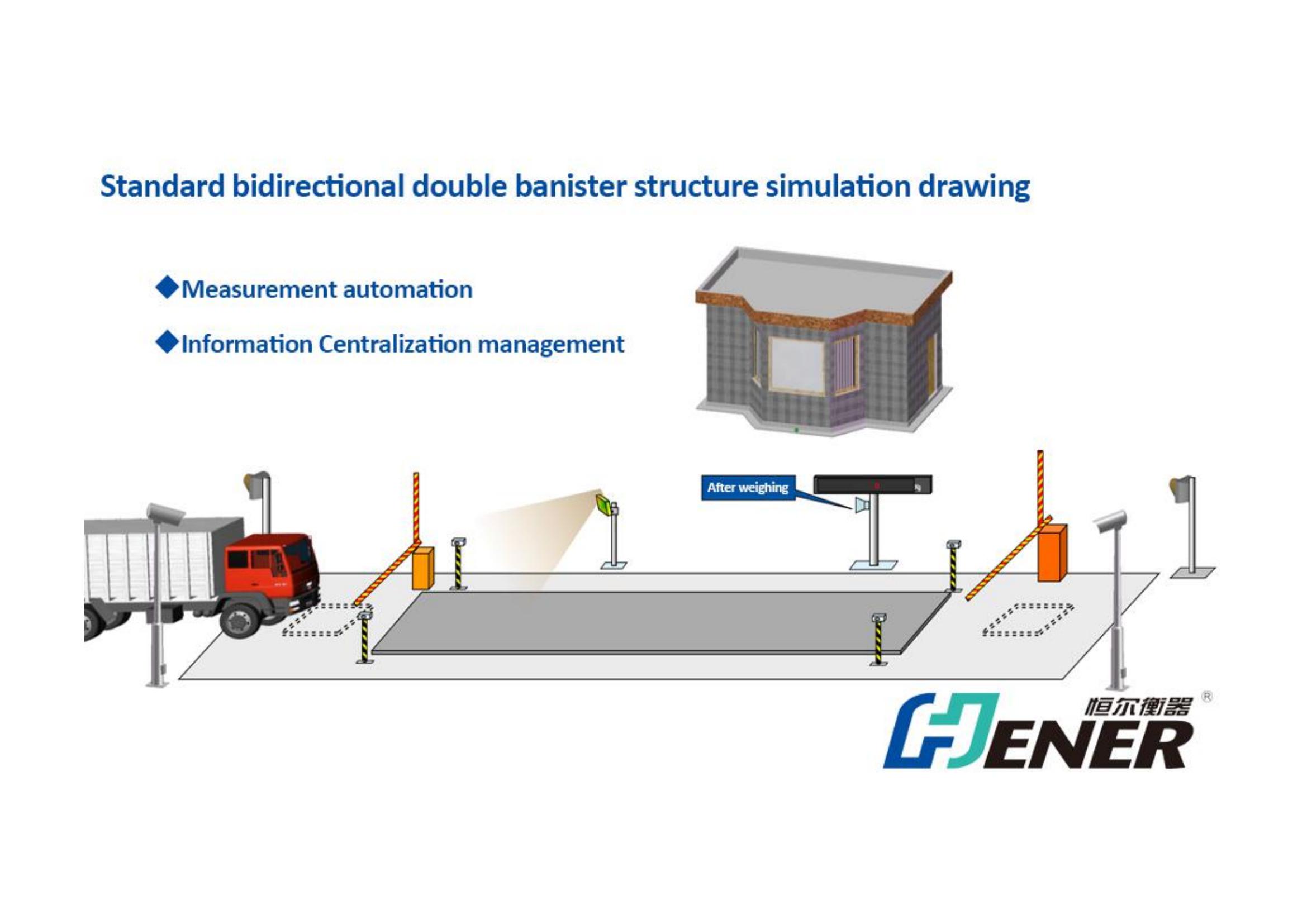
This is where technology steps in to solve the problems it didn't create. An unattended truck scale is a fully integrated system that allows trucks to be weighed, identified, and processed without the need for a human attendant present at the scale. It combines the physical scale with a self-service kiosk, identification technology (like RFID tags, card readers, or PIN pads), automated barriers, and sophisticated software.
How Does an Unattended Truck Scale System Actually Work?
It's a seamless, driver-led process:
Step 1: Approach and Identification
The driver pulls up to the kiosk or entrance. They identify themselves and their mission using a pre-assigned method—swiping an RFID tag, entering a unique PIN, or scanning a barcode on a delivery note.
Step 2: Guided Weighing and Data Capture
The system recognizes the driver and truck. A screen or voice prompt guides them: "Proceed to the scale." They drive onto the platform and stop. Motion-sensing cameras ensure correct positioning. The weight is instantly captured and validated.
Step 3: Instant Processing and Instruction
In milliseconds, the software compares the weight against expected values, checks for compliance, and records the transaction. The driver receives their next instruction on the kiosk screen or a ticket printer: "Exit to left for loading," or "Proceed to dump site." A traffic light turns green, and an automated gate may open. The entire process takes a fraction of the time of a manual weigh.
Unlocking the Vault: Key Benefits of Unattended Truck Scale Kiosks
The benefits move far beyond just "not needing a person there." They transform your entire operation.
Benefit 1: Dramatic Reduction in Weighing Cycle Times
No more waiting for an operator to finish a phone call or type in data. Weighings can be completed in under 30 seconds. This means you can move more trucks per hour, dramatically increasing site throughput and eliminating queues.
Benefit 2: Slashing Labor Costs and Reallocating Talent
This is the most obvious benefit. You free your scale operator from a monotonous, repetitive task. This doesn't necessarily mean job loss; it means you can reallocate that valuable employee to more strategic, revenue-generating, or customer-service-oriented roles within your business.
Benefit 3: 24/7, All-Weather Operation Without Overtime
Your scale becomes a profit center that never sleeps. Receive shipments, process outbound loads, and serve customers outside the traditional 9-to-5 window without paying a dime in overtime. This provides immense flexibility and competitive advantage.
Benefit 4: Enhanced Data Accuracy and Elimination of Errors
The system doesn't get tired or distracted. It captures weight data directly from the scale indicator and links it immutably to the truck and driver ID. This creates a perfect, auditable record, eliminating transcription errors and the disputes they cause.
Benefit 5: Seamless Integration and Digital Trail
Modern unattended systems integrate directly with your existing business software—your ERP, accounting, and inventory management systems. Data flows automatically, creating a seamless digital paper trail from the scale to the invoice, boosting overall operational intelligence.
Benefit 6: Improved Driver Experience and Safety
Drivers spend less time waiting and more time driving (which is how they earn money). Clear, automated instructions reduce confusion and misdirection on-site. Less congestion and fewer idling trucks also contribute to a safer, less stressful yard environment.
Addressing the Elephant in the Room: Are Unattended Scales Secure?
It's a fair concern. If no one is watching, what stops fraud or misuse? The answer lies in layered security.
Robust Technology Safeguards
Systems use unique, hard-to-duplicate identification (like encrypted RFID tags). Cameras record all activity at the kiosk and on the scale for visual audit. The software can enforce complex business rules—flagging mismatched truck/trailer IDs, rejecting loads outside a pre-approved weight tolerance, or preventing a truck from weighing twice.
Administrative and Physical Security Layers
Access is permission-based. A waste hauler can't access a quarry's load-out function. Physical barriers control the flow of traffic. And ultimately, the complete digital log provides an irrefutable audit trail that is often more secure than hand-written tickets prone to loss or alteration.
Making the Shift: Is an Unattended Truck Scale Right for Your Business?
Not every facility needs one, but the range of beneficiaries is vast.
Key Industries and Use Cases That Benefit Most
Aggregate, Mining, & Asphalt: High-volume load-out facilities.
Agriculture & Grain Handling: Especially during peak harvest seasons with round-the-clock activity.
Waste Management & Recycling: Landfills, transfer stations, and MRFs.
Bulk Liquid Terminals & Chemical Plants.
Logistics Yards & Freight Hubs.
Any business with shift work or after-hours deliveries/pickups.
Calculating Your ROI: More Than Just Labor Savings
Look beyond the saved salary. Calculate the value of:
Increased throughput and revenue capacity.
Reduced driver detention fees and improved carrier relations.
Elimination of costly weighing errors.
Improved inventory accuracy reducing "shrink."
The strategic value of re-deploying staff.
For many, the system pays for itself in under two years.
The Future is Automated: Embracing the Unattended Revolution
The unattended truck scale isn't just a piece of equipment; it's a philosophy. It's about using smart technology to handle repetitive, critical tasks with flawless precision, thereby freeing your human capital to do what it does best: think, manage, innovate, and build relationships. It solves the fundamental bottleneck problem of the all-important truck scale, transforming it from a potential chokepoint into a smooth, efficient, and intelligent portal for your business.
So, why is the truck scale important? Because it's the foundation of fair trade, safety, and financial truth. And the unattended truck scale? That's how you build a stronger, faster, and more profitable future on that very foundation.
 English
 العربية
 Français
 Русский
 Español
 Português
 Deutsch
 italiano
 Nederlands
 Tiếng Việt
 ไทย
ไทย Polski
 Türkçe
 ភាសាខ្មែរ
 Bahasa Melayu
 Filipino
 Bahasa Indonesia
 Română
 Čeština
 Монгол
 қазақ
қазақ Српски
 हिन्दी
 Slovenčina
 Slovenščina
 Norsk
Norsk Svenska
 Ελληνικά
 Suomi
Suomi Հայերեն
 Latine
 Dansk
Dansk Shqip
Shqip Hrvatski
 Afrikaans
 Gaeilge
 Eesti keel
 Oʻzbekcha
 latviešu
 Azərbaycan dili
 Беларуская мова
 Български
 ქართული
 guarani
 Кыргызча
 Lietuvių
 Македонски
 Malti
Malti Soomaali
 Тоҷикӣ
 Türkmençe