Why is the Truck Scale Important? The Unsung Hero of Global Commerce
Introduction: More Than Just a Weigh Station
Let's be honest, when you think of critical infrastructure, what comes to mind? Maybe power grids, bridges, or the internet. But I'd wager a massive, hulking piece of steel and concrete where trucks stop briefly doesn't top your list. It's time to change that perspective. Have you ever considered that the simple act of weighing a truck is a linchpin holding together our economy, our safety, and even the fairness of everyday transactions? That's precisely the role of the truck scale. It's far more than a checkpoint; it's the silent guardian of commerce, a legal enforcer, and a fundamental tool for operational intelligence. In this deep dive, we’ll explore why this seemingly mundane equipment is, in fact, indispensable.
What is a Truck Scale? Defining the Foundation
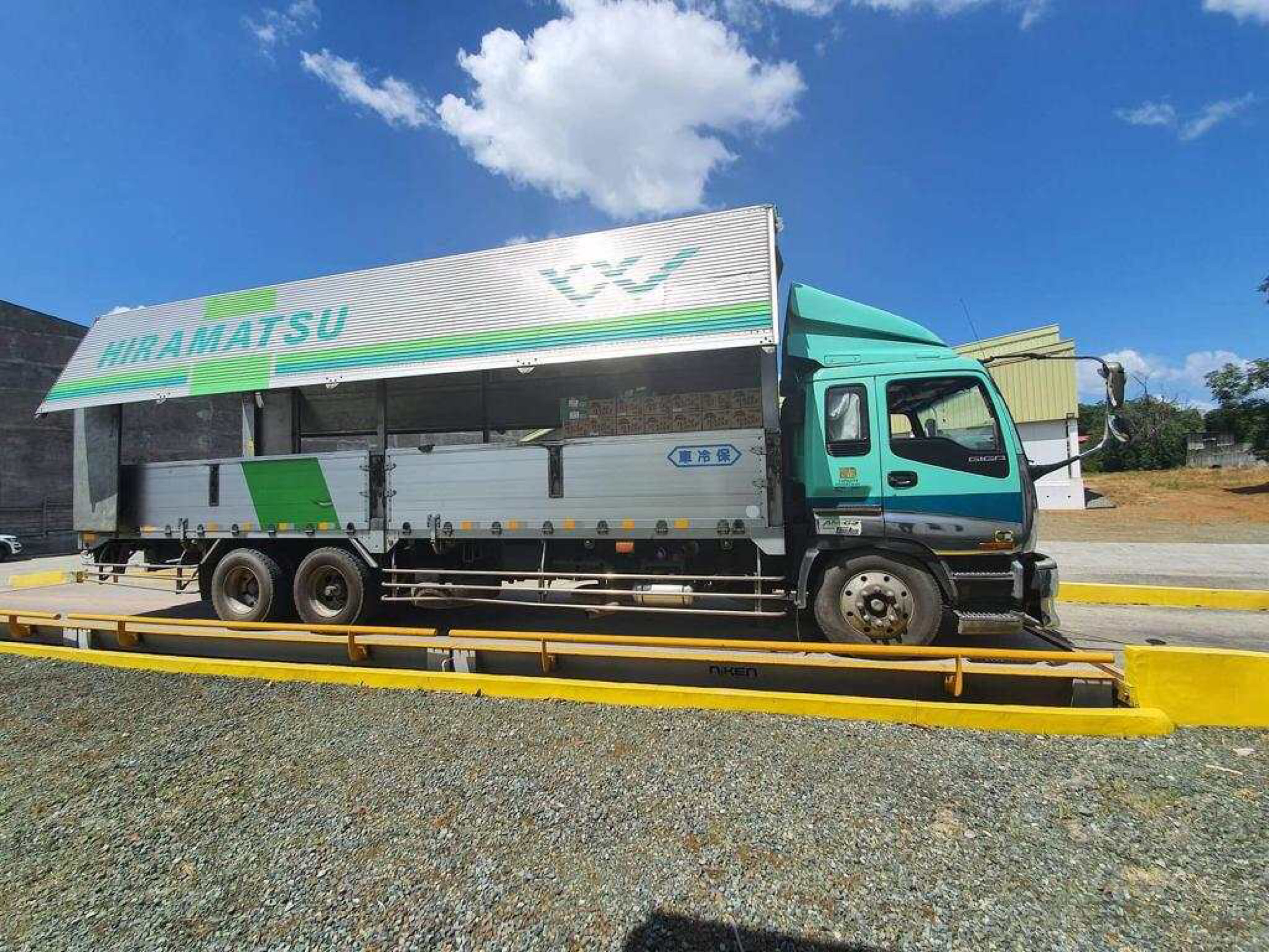
Before we get into the “why,” let's clarify the “what.” A truck scale, often called a weighbridge, is a large, heavy-duty set of scales, usually mounted on a concrete foundation, designed to measure the total weight of a vehicle and its contents. Think of it as a gigantic, ultra-robust bathroom scale for the biggest members of the transportation family.
The Basic Anatomy of a Truck Scale
At its core, a truck scale has three main components:
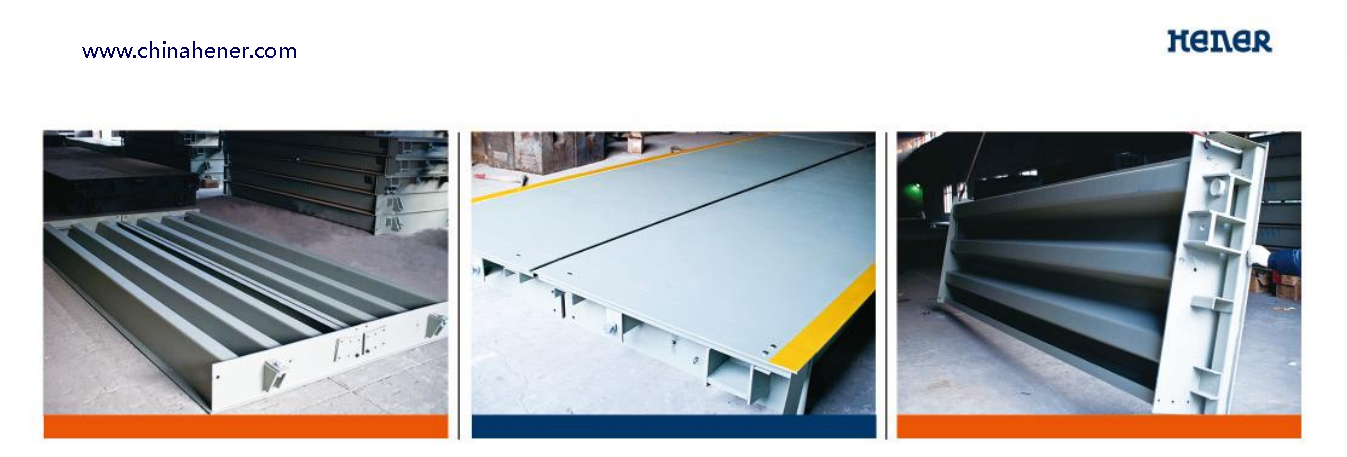
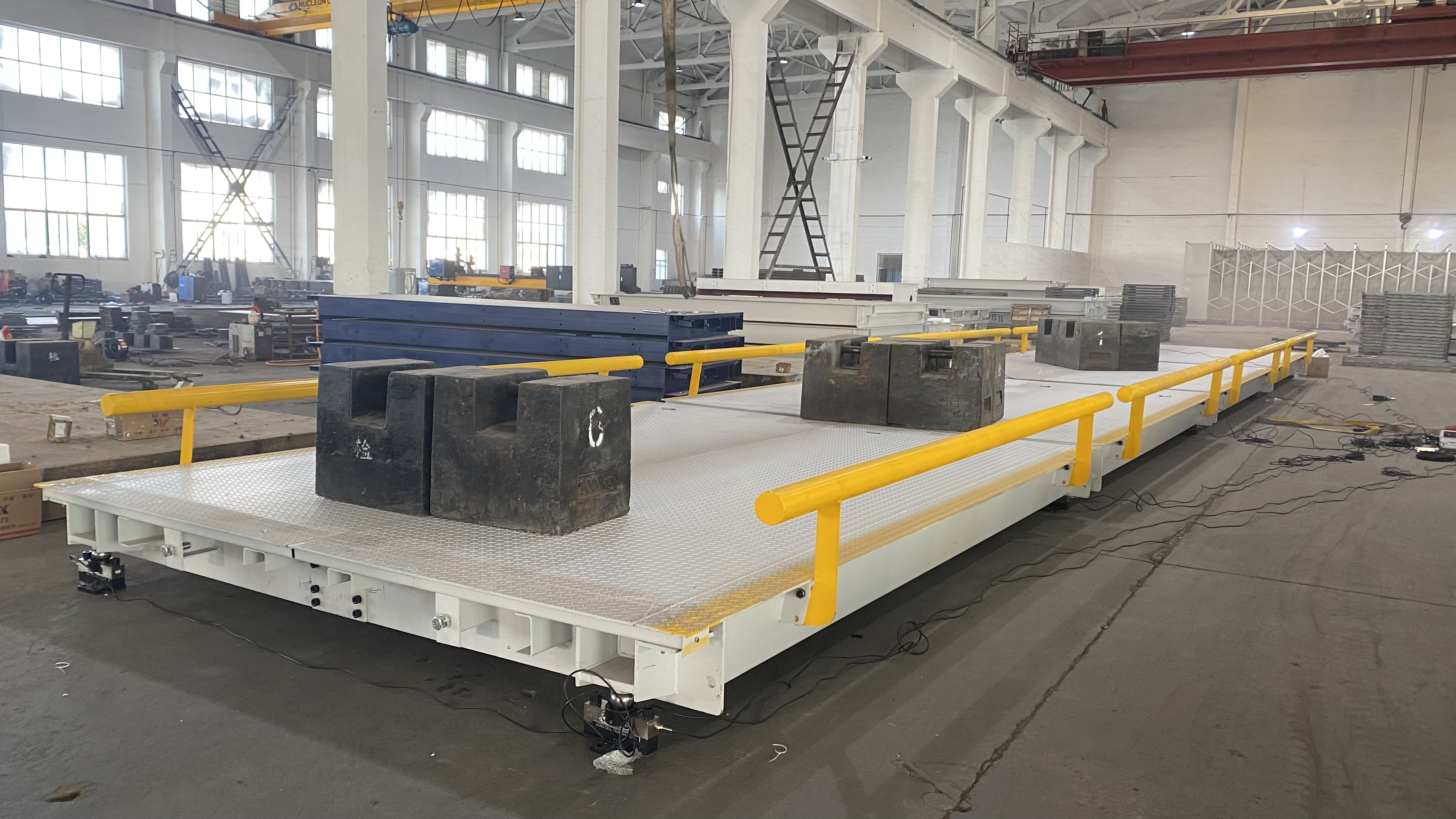
The Platform: The massive steel or concrete deck the truck drives onto.
The Foundation: The concrete pit or surface mount that provides a stable, level base.
The Weighing System: The critical technology underneath—typically load cells—that converts the physical force of the weight into an electronic signal.
The Primary Purpose: What Are Truck Scales Used For?
The function of a truck scale can be distilled into two powerful, interconnected pillars: Legal Compliance & Safety and Financial & Commercial Integrity.
The Core Function: Legal Compliance and Safety
This is the most visible and regulated role. Roads and bridges are engineered to handle specific weight limits. An overloaded truck is a rolling hazard. It causes exponentially more damage to pavement, poses a severe braking and handling risk, and can lead to catastrophic bridge failures. Truck scales are the enforcement tool for weight regulations. At highway weigh stations, they ensure every truck on the road is within the legal axle and gross vehicle weight limits set by the Department of Transportation (DOT). This isn’t about bureaucracy; it’s about preventing accidents and protecting public infrastructure that we all use and pay for.
The Financial Backbone: Commerce and Transactions
Here's where the rubber meets the road for businesses. In countless industries, goods are bought and sold by weight. A load of grain, a shipment of coal, a delivery of construction aggregate, a haul of scrap metal—the value is directly tied to the ton. The truck scale provides the definitive, agreed-upon measurement for these transactions. It answers the fundamental question: “How much did I actually receive (or send)?” This makes it the ultimate arbiter of fairness, ensuring the seller gets paid for the exact weight shipped and the buyer pays only for what they receive.
How Does a Truck Scale Work? A Peek Under the Platform
The magic happens out of sight. It's a brilliant marriage of mechanical engineering and electronics.
The Heart of the System: Load Cells Explained
Beneath the platform are devices called load cells. Imagine a sturdy metal block engineered to deform just a tiny bit under pressure. Inside, strain gauges (tiny electrical resistors) are attached. When the weight of the truck causes the load cell to deform, these strain gauges stretch or compress, changing their electrical resistance in a precise, measurable way.
From Pressure to Data: The Indicator and Software
This change in resistance creates a small electronic signal. The signals from all the load cells are summed up and sent to a digital weight indicator. This indicator translates the combined signal into a number—the total weight—displayed on a screen. Modern systems go further, feeding this data directly into accounting and inventory management software, automating tickets, billing, and stock levels seamlessly.
Types of Truck Scales: Choosing the Right Tool for the Job
Not all scales are created equal. The right choice depends on space, budget, and application.
Pit-Mounted vs. Surface-Mounted Scales
Pit-Mounted: The scale sits in a concrete pit so the deck is flush with the surrounding ground. This allows for easy drive-on/drive-off access from any direction, saves space, and is great for harsh climates. However, it requires significant excavation and is more susceptible to drainage issues.
Surface-Mounted: The scale sits entirely above ground on a concrete ramp. It's easier and cheaper to install, and drainage is simpler. The trade-off is the need for approach ramps and more overall space.
Axle Scales, Portable Scales, and More
Axle Scales: Smaller scales used to check individual axle or axle-group weights to ensure compliance with spacing laws.
Portable Scales: Versatile, modular scales that can be deployed temporarily for farming, logging, or military use.
In-Motion Scales: Allow trucks to be weighed at a slow, constant speed without stopping, ideal for high-volume facilities needing efficiency.
How Accurate Are Truck Scales? Trusting the Numbers
When money and legality are on the line, accuracy is non-negotiable. You might wonder, can we truly trust these giant scales?
Understanding Tolerance and Certification
Commercial truck scales are highly precise instruments. Their accuracy is governed by strict standards like those from the National Institute of Standards and Technology (NIST) in the US. Scales are certified for trade, meaning they are legally approved for buying and selling. Typical accuracy for a modern electronic truck scale is within 0.1% to 0.25% of the applied load. For a 80,000 lb truck, that's a tolerance of just 80-200 pounds—a remarkably small margin.
The Role of Periodic Testing and Calibration
This accuracy isn't a “set it and forget it” deal. Scales must be periodically tested and calibrated by certified technicians using known test weights. This process verifies the scale's performance across its entire range and adjusts it if necessary. Regular maintenance (keeping it clean, checking for mechanical damage) is also crucial. This rigorous regimen is what builds the bedrock of trust in every weight slip.
The Domino Effect of Importance: Key Industries That Rely on Truck Scales
The importance of truck scales ripples through our entire economy. Let's look at some specific sectors.
Agriculture and Bulk Foods: From Field to Factory
A farmer delivers a harvest of soybeans to the grain elevator. The scale determines the payout. A dairy receives milk tankers; the weight dictates the price to the farmer. In processing plants, ingredients are received by weight. The scale is the direct link between raw production and revenue.
Construction, Mining, and Aggregates: Building Our World
A dump truck leaves a quarry with a load of crushed stone. The scale ticket is the invoice. On a construction site, inbound materials (gravel, sand, asphalt) and outbound debris are all weighed, controlling costs and inventory. In mining, the value of a day's haul is literally measured on the scale.
Waste Management and Recycling: Weighing for a Greener Planet
Landfills charge by the ton for disposal. Your local recycling center sells sorted materials by weight. The scale here is both a revenue meter and an environmental management tool, tracking diversion rates and total waste volume.
Logistics and Freight: The Backbone of Supply Chains
While not always used for billing, scales in logistics yards verify container weights for safe vessel loading (per international SOLAS regulations) and ensure trucks are properly loaded and legal before they hit public roads, avoiding costly fines and delays.
The Tangible Benefits: Why Every Stakeholder Cares
For Businesses: Protecting Profit and Liability
For any business handling bulk materials, the scale is a profit protection device. It prevents revenue leakage from under-weighing outbound loads and over-paying for inbound ones. It provides irrefutable data for resolving disputes. It also shields the company from the massive liability and fines associated with sending an overweight, unsafe vehicle onto public roads.
For Drivers and the Public: A Matter of Safety
For the truck driver, the scale is a checkpoint for their own safety. An improperly loaded, overweight truck is harder to brake and control. Public scale facilities allow drivers to check their loads before encountering a DOT inspection, avoiding fines and being placed out of service. For all of us sharing the road, this means safer highways.
For Governments: Ensuring Fairness and Infrastructure Protection
Governments use scales to enforce laws that protect massive public investments—our road networks. The tax dollars saved in reduced road maintenance are enormous. Scales also ensure fair competition; all carriers are held to the same standard, preventing those who would cheat on weight from gaining an unfair cost advantage.
The Cost of Getting It Wrong: Risks of Non-Compliance
Ignoring the importance of accurate weighing has severe consequences. Fines for overweight violations can run into thousands of dollars per offense. “Out-of-Service” orders can idle a truck and driver, crippling operations. Civil liability in the event of an accident caused by an overloaded truck can be devastating. Damaged business relationships and reputation loss from inaccurate commercial weighing can cost future contracts. The scale is a small investment that mitigates these massive risks.
The Future of Weighing: Technology and Integration
The humble truck scale is getting smarter. Cloud-based software allows for remote monitoring and data access from anywhere. Automated Vehicle Identification (AVI) systems read RFID tags to identify trucks and automatically pair weights with orders. Full integration with ERP systems creates a seamless flow from the scale ticket to accounts receivable and inventory management. The future is about turning weight data into actionable business intelligence.
Conclusion: The Silent Guardian of Commerce and Safety
So, why is the truck scale important? It's because it operates at the critical intersection of physics, finance, and law. It is the unbiased judge in multimillion-dollar industries, the guardian of our roadways, and a fundamental tool for operational efficiency and safety. The next time you see a truck pulled onto a scale, remember: you're not just looking at a piece of industrial equipment. You're looking at a cornerstone of modern commerce, working silently to ensure fairness, safety, and the smooth flow of the goods that build and sustain our world. It truly is the unsung hero of the global supply chain.
 English
 العربية
 Français
 Русский
 Español
 Português
 Deutsch
 italiano
 Nederlands
 Tiếng Việt
 ไทย
ไทย Polski
 Türkçe
 ភាសាខ្មែរ
 Bahasa Melayu
 Filipino
 Bahasa Indonesia
 Română
 Čeština
 Монгол
 қазақ
қазақ Српски
 हिन्दी
 Slovenčina
 Slovenščina
 Norsk
Norsk Svenska
 Ελληνικά
 Suomi
Suomi Հայերեն
 Latine
 Dansk
Dansk Shqip
Shqip Hrvatski
 Afrikaans
 Gaeilge
 Eesti keel
 Oʻzbekcha
 latviešu
 Azərbaycan dili
 Беларуская мова
 Български
 ქართული
 guarani
 Кыргызча
 Lietuvių
 Македонски
 Malti
Malti Soomaali
 Тоҷикӣ
 Türkmençe