Introduction
Choosing the right weighbridge can feel a bit like choosing between a basement home and an elevated house. Both do the same job—but how they're built and how they perform can vary massively. If you're trying to decide between a pit weighbridge and a pitless weighbridge, you're in the right place. In this article, we'll explore the 7 key differences that truly matter when selecting the perfect weighing system for your site.
Whether you run a manufacturing plant, a logistics hub, a mining operation, or simply need accurate truck weighing, understanding these differences can help you make a smart investment.
What Is a Weighbridge?
A weighbridge is basically a giant weighing scale for heavy vehicles—trucks, tippers, trailers, and industrial haulers. It helps determine the weight of the vehicle, either empty or fully loaded. Think of it as the “truth machine” for transportation and logistics.
Overview of Pit Weighbridges
How Pit Weighbridges Work
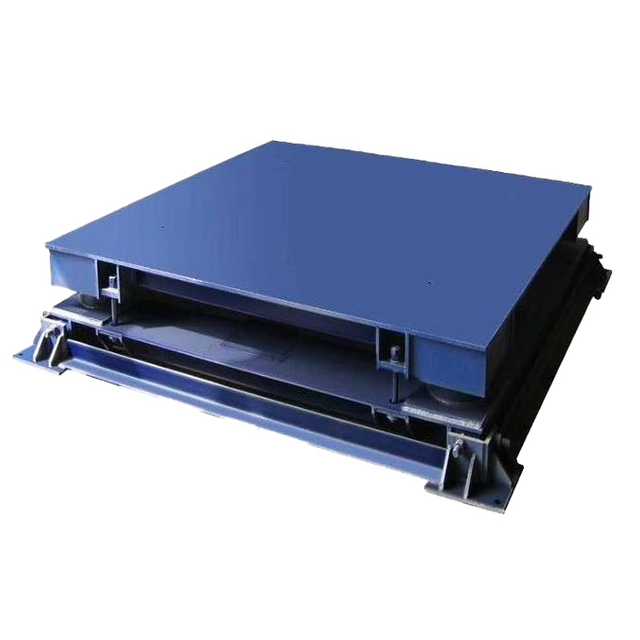
A pit weighbridge is installed inside a deep concrete pit so that its deck remains level with ground height. The truck drives onto it just like driving across a flat road—no ramps required.
Common Applications
Pit weighbridges are ideal for:
Industrial and commercial sites with limited space
Places where trucks need easy straight-on entry
Locations requiring neat, flush-mounted setups
They’re often seen in factories, toll plazas, and busy logistics sites.
Overview of Pitless Weighbridges
How Pitless Weighbridges Work
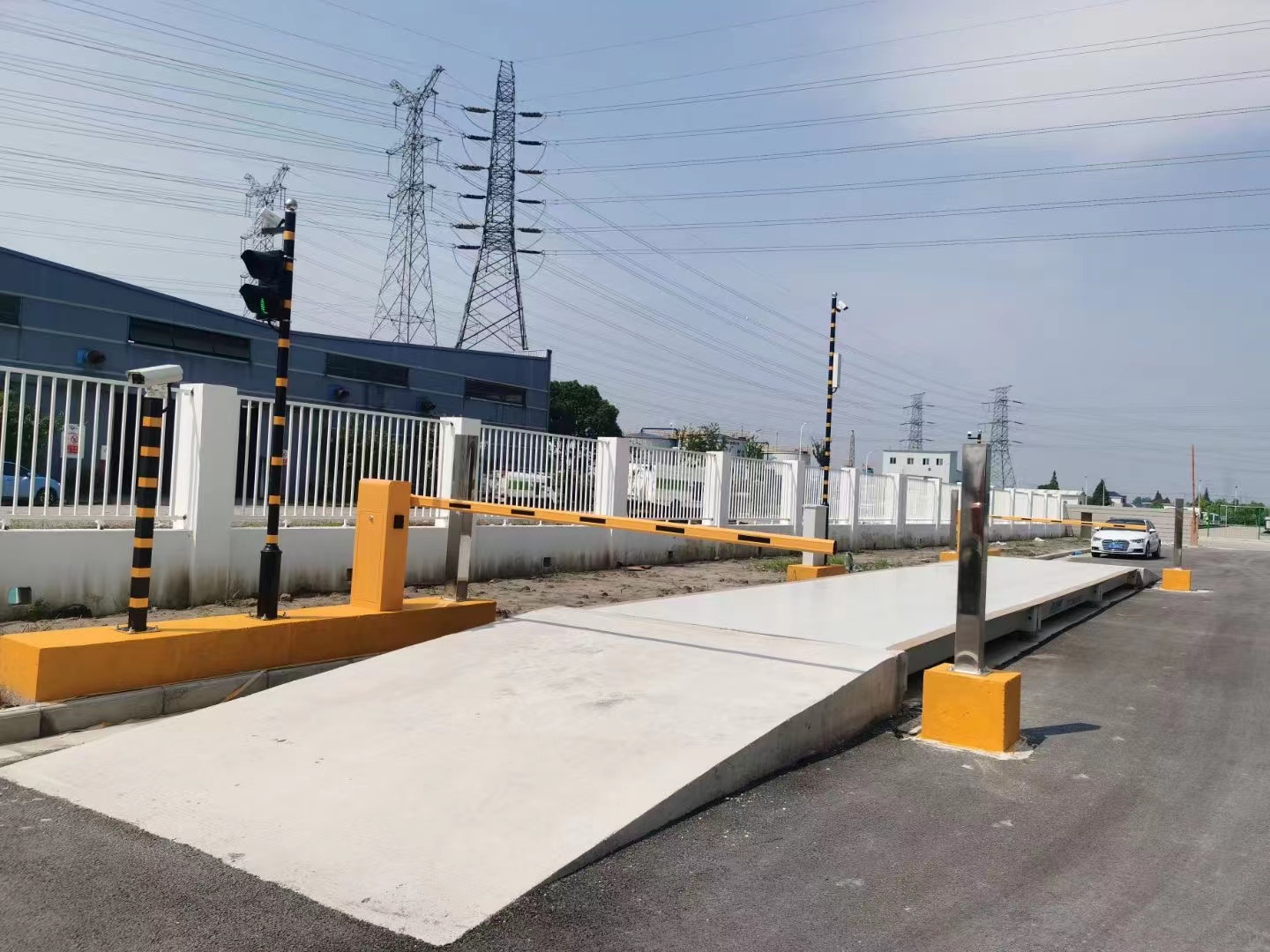
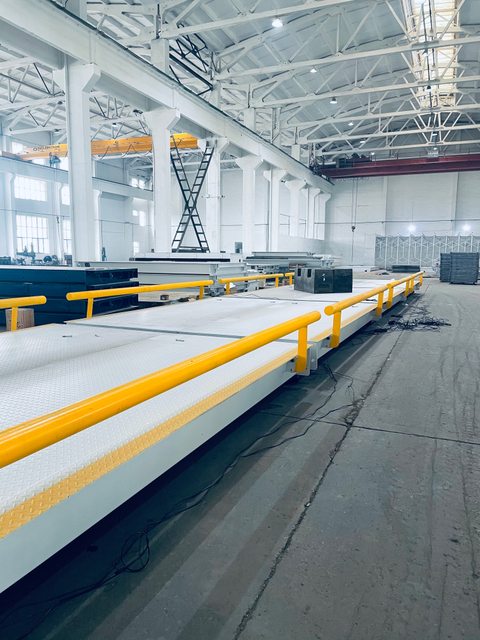
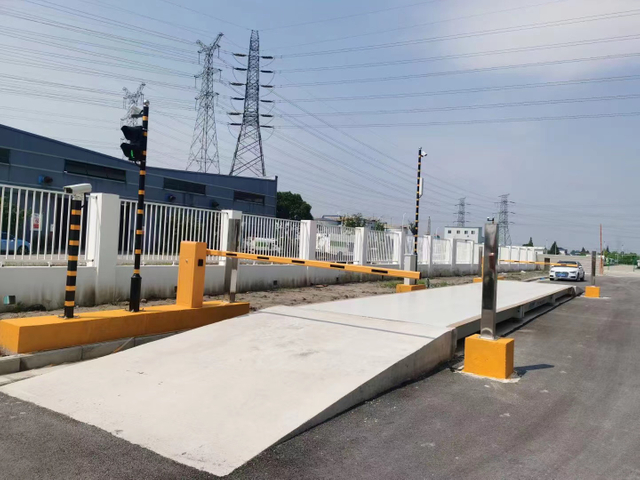
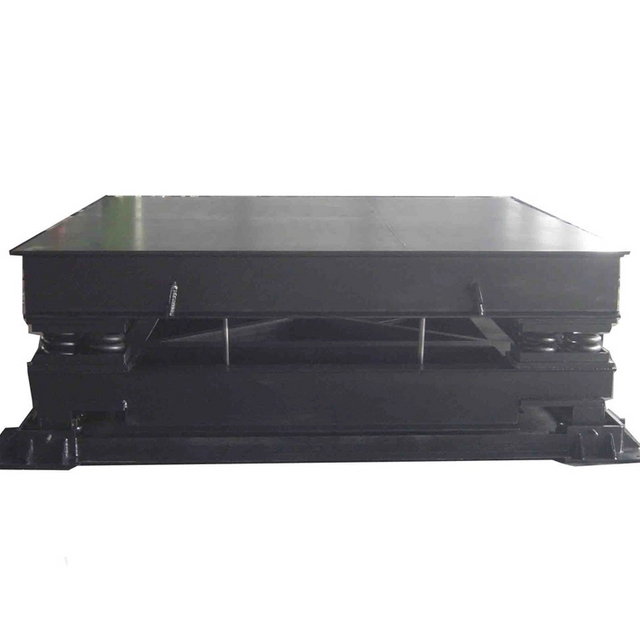
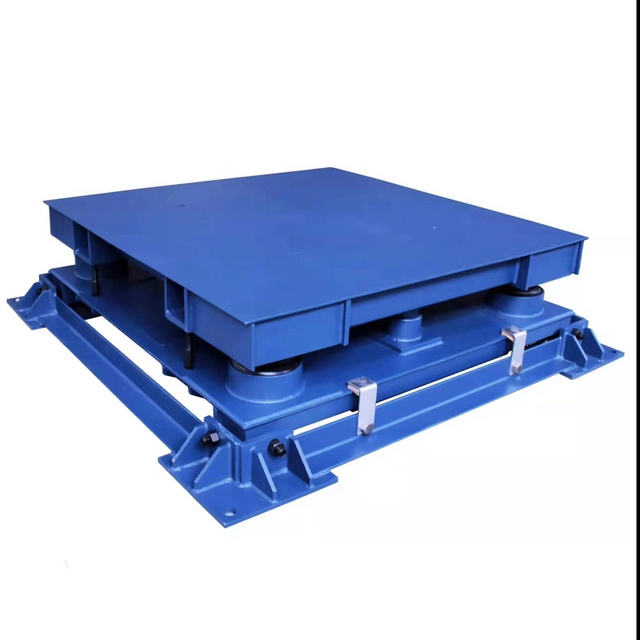
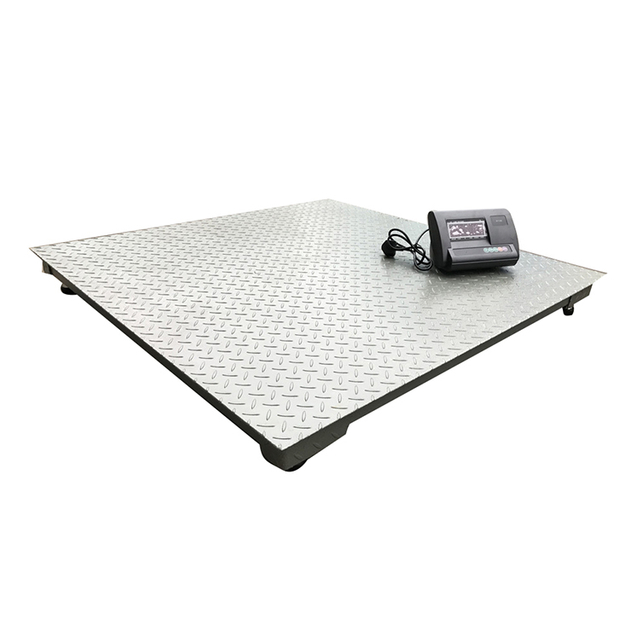
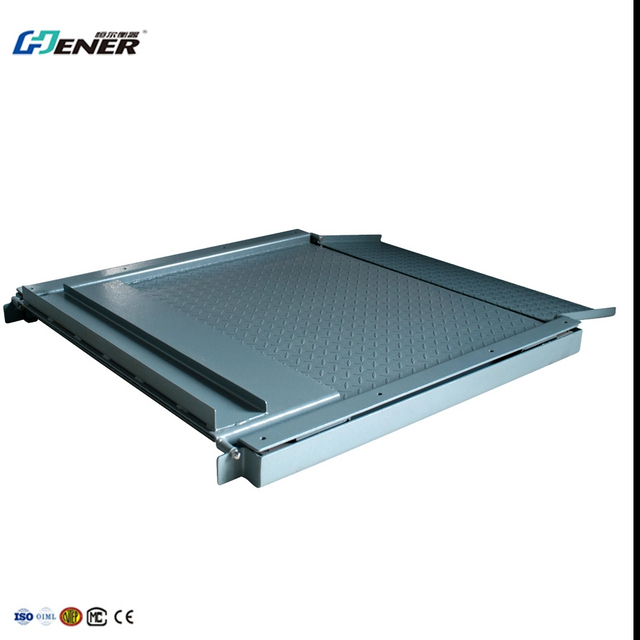
A pitless weighbridge, on the other hand, is installed above ground level. Instead of sinking a pit, the deck sits elevated on a steel or concrete structure. Trucks drive up using approach ramps.
Common Applications
Pitless weighbridges are commonly found in:
Remote or rural locations
Sites with loose soil or high groundwater levels
Temporary or semi-permanent installations
They're perfect for weighing operations that need quick installation.
7 Key Differences
Now let's dive into the core differences that influence installation, maintenance, and long-term performance.
1. Installation Structure
Pit Design vs. Surface-Mounted Design
A pit weighbridge requires a deep excavation where the weighing deck sits. This involves reinforced concrete work, drainage piping, and soil stability checks.
In contrast, a pitless weighbridge is installed on a surface-mounted platform with ramps on both sides. No deep digging. No major civil construction.
In short:
Pit: Below ground
Pitless: Above ground
2. Space Requirements
Pit weighbridges save horizontal space because they don't need ramps. Trucks can drive straight from any direction.
Pitless weighbridges, however, need long ramps—usually 6 to 9 meters each. This increases the total length required.
If your site feels cramped, the pit version may fit better.
3. Installation Cost
Here's where many buyers make their decision.
Pit weighbridges cost more to install because they demand heavy excavation, concrete work, and drainage systems.
Pitless weighbridges are cheaper upfront due to minimal civil work.
If you're budget-conscious, pitless might make your wallet happier.
4. Maintenance Requirements
Pit weighbridges require more maintenance, especially inside the pit. It can collect mud, debris, and water, which can interfere with sensors and load cells.
Pitless weighbridges stay open and accessible, making maintenance quick and simple.
If you prefer minimal upkeep, go pitless.
5. Water Drainage Considerations
In pit weighbridges, managing water is a non-negotiable challenge. Rainwater, wastewater, or groundwater may fill up the pit—leading to corrosion or system failure.
Pitless weighbridges eliminate this issue since they sit above ground.
For places prone to heavy rain or high water tables, pitless is usually the safer choice.
6. Ease of Cleaning
Pit weighbridges require frequent cleaning due to ground-level dust and debris accumulation.
Pitless weighbridges are easier to clean because everything is exposed—nothing gets trapped below ground.
If you don't want your team constantly cleaning the pit, pitless is the winner here.
7. Suitability for Different Locations
Each type has environments where it shines.
Pit weighbridges: Best for permanent setups, urban areas, and commercial sites where space is limited.
Pitless weighbridges: Best for rural areas, flood-prone regions, temporary sites, and rocky or unstable soil regions.
Basically, it's all about where you want to install it.
Which Weighbridge Should You Choose?
Best Choice for Industrial Use
If you operate in a professional environment—like factories or toll plazas—a pit weighbridge often looks cleaner, more organized, and more permanent.
Best Choice for Remote Areas
If you're setting up in a rural location, have soil issues, or need a fast installation, a pitless weighbridge is usually the better choice.
Pros and Cons of Each Type
Pit Weighbridge Advantages & Disadvantages
Advantages
Disadvantages
Pitless Weighbridge Advantages & Disadvantages
Advantages
Disadvantages
Conclusion
Choosing between a pit weighbridge and a pitless weighbridge is all about balancing budget, space, environment, and long-term maintenance. If you want a compact, professional-looking setup and don't mind the higher installation cost, a pit weighbridge is a solid pick. But if you prefer a budget-friendly, low-maintenance option with faster installation, the pitless design may fit your needs perfectly.
Both types can accurately weigh trucks, but the construction and operating environment make all the difference. Now that you know the 7 key differences, you’re better equipped to choose the right weighbridge for your business.
If you need help selecting or sizing a weighbridge, feel free to ask!
 English
 العربية
 Français
 Русский
 Español
 Português
 Deutsch
 italiano
 Nederlands
 Tiếng Việt
 ไทย
ไทย Polski
 Türkçe
 ភាសាខ្មែរ
 Bahasa Melayu
 Filipino
 Bahasa Indonesia
 Română
 Čeština
 Монгол
 қазақ
қазақ Српски
 हिन्दी
 Slovenčina
 Slovenščina
 Norsk
Norsk Svenska
 Ελληνικά
 Suomi
Suomi Հայերեն
 Latine
 Dansk
Dansk Shqip
Shqip Hrvatski
 Afrikaans
 Gaeilge
 Eesti keel
 Oʻzbekcha
 latviešu
 Azərbaycan dili
 Беларуская мова
 Български
 ქართული
 guarani
 Кыргызча
 Lietuvių
 Македонски
 Malti
Malti Soomaali
 Тоҷикӣ
 Türkmençe